
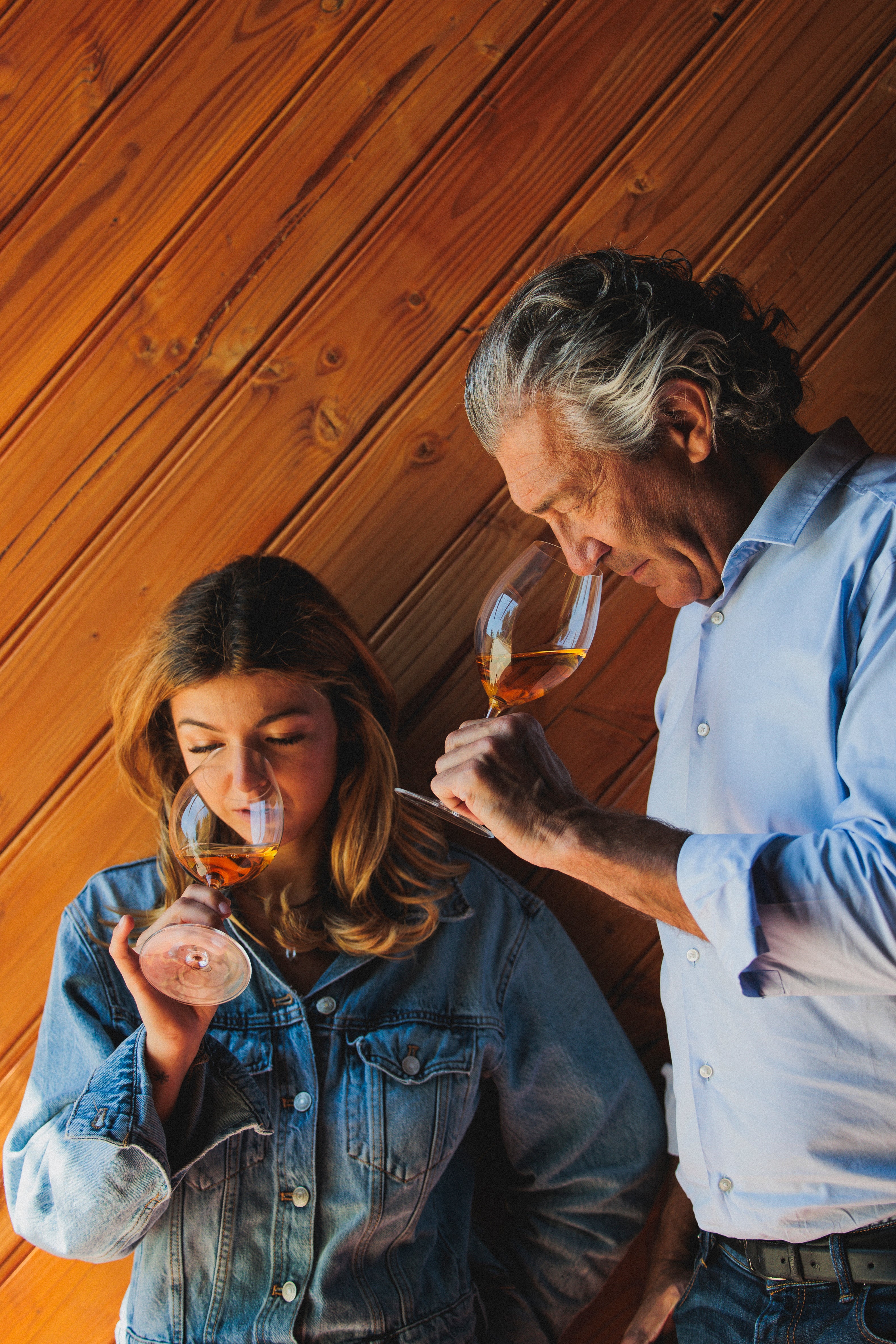
The Bertrand family
From grape to bottle: The process of creating sweet wine

Sweet wine is a delight appreciated by many wine lovers around the world. This sweet and aromatic nectar has its roots in ancient winemaking traditions, where each stage of the creation process is essential to achieving the desired quality and flavours.
The selection of grapes
The first crucial step in the production of sweet wine is the selection of grapes. The grapes used to produce sweet wine are generally high-sugar varieties. Among the most commonly used grape varieties, one finds Muscat, Riesling, Gewurztraminer and Chenin Blanc. These grapes are harvested at optimal ripeness to ensure a high concentration of natural sugar, which is essential for producing a quality sweet wine.

The harvest
The grapes must be carefully picked by hand to avoid any deterioration. For certain types of sweet wine, such as Sauternes or Tokaji, late harvesting is practised. This means the grapes are left on the vine until they are overripe, or even affected by noble rot (Botrytis cinerea). This method concentrates the sugars and aromas, giving the sweet wine its unique character.
Pressing
Once the grapes have been harvested, they are pressed to extract the juice. Pressing must be carried out gently to avoid extracting tannins and other undesirable compounds that could alter the taste of the sweet wine. The juice thus obtained is then ready for fermentation.
Fermentation
Fermentation is a key step in the production of sweet wine. The process begins when natural yeasts present on the grapes, or added intentionally, convert the sugars in the grape juice into alcohol. However, for sweet wine, it is crucial to stop fermentation before all the sugar has been converted into alcohol. This can be done in several ways:
- By cooling : by lowering the temperature of the must, yeast activity is halted, leaving a residual quantity of sugar.
- Addition of alcohol : in certain fortified sweet wines, such as Port, alcohol is added during fermentation to kill the yeasts and preserve some of the natural sugars.
- Use of specific yeasts : certain yeasts are less tolerant of alcohol and stop fermentation on their own at a certain alcohol level, thus leaving residual sugar.

Ageing and maturation
After fermentation, the sweet wine is often transferred into oak barrels for ageing and maturation. This stage allows the wine to develop complex aromas and gain depth. The length of ageing can vary depending on the type of sweet wine and the winemaker's preferences. Some sweet wines may be aged for several years before being bottled.

Clarification and stabilisation
Before bottling, the sweet wine must be clarified and stabilised. Clarification removes suspended particles, giving the wine a clear appearance. Various processes can be used for clarification, including filtration and fining. Stabilisation, for its part, aims to prevent the formation of crystals or deposits in the bottle. This can be achieved through cold treatments or by adding stabilising substances.
Bottling
The final step in the sweet wine creation process is bottling. The wine is carefully transferred into previously sterilised bottles to avoid any contamination. The bottles are then sealed with cork stoppers or screw caps, depending on the traditions and practices of the wine estate.
The creation of sweet wine is a delicate art that requires meticulous attention at every stage of the process, from vine to bottle. The selection of grapes, the harvest, fermentation, ageing and bottling are all crucial phases that contribute to the final quality of the sweet wine. By understanding this process, wine lovers can better appreciate the subtleties and complexity of this sweet and refined nectar.
Find out more:
- Ode to sweet wines
- Discovering the finest wines of the renowned French winemaker
- Gérard Bertrand, Winemaker of France
- Languedoc wines for Black Friday: Discovering viticultural treasures at reduced prices
- Gerard Bertrand's Black Friday wine offers: A celebration of exceptional wines
- Wine fair: Gérard Bertrand's exceptional offers
Discover the finest Gérard Bertrand wines:
These wines are popular right now
Our latest news
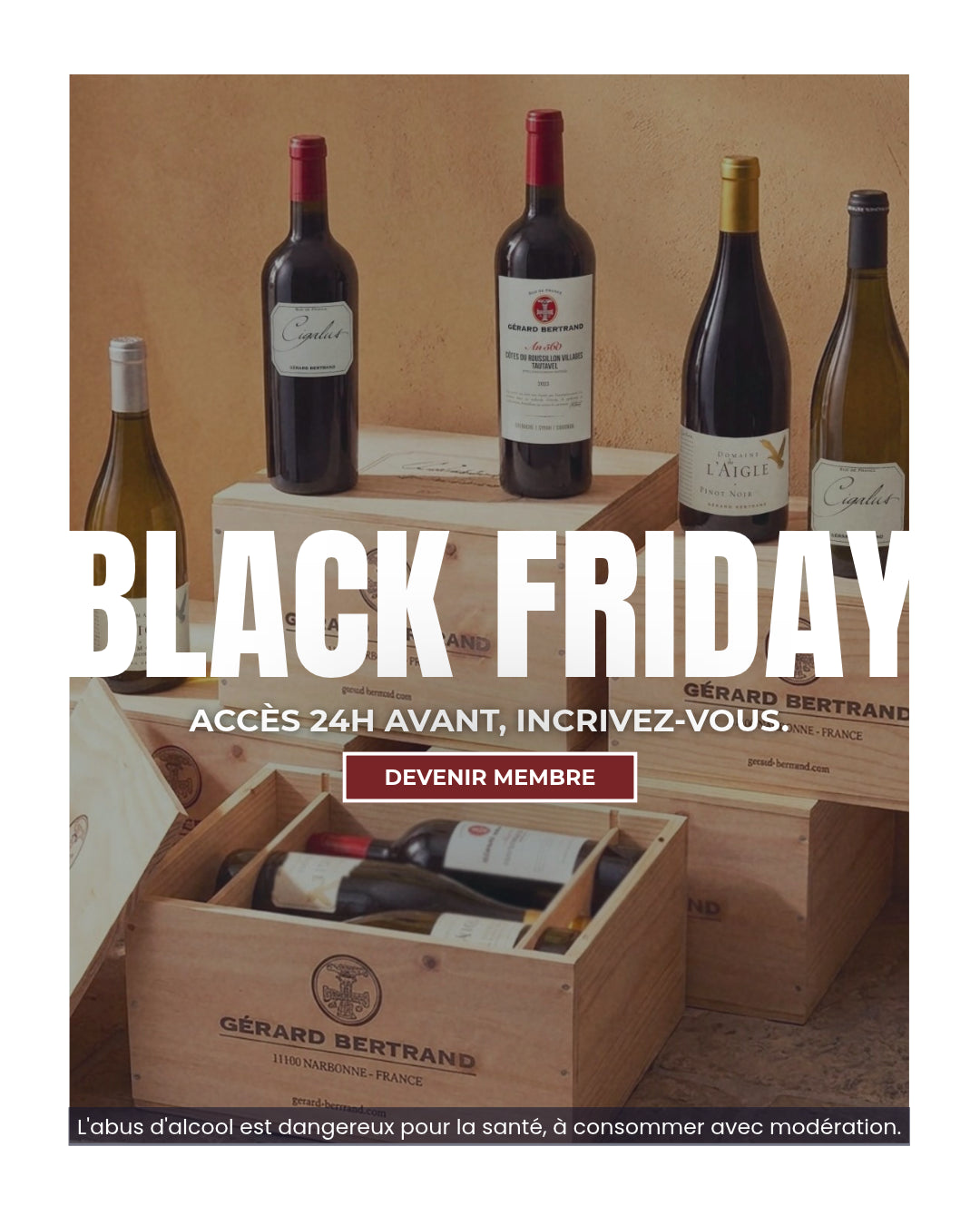
Black Friday 2027 is coming very soon
The Gérard Bertrand virtual wine cellar will open its doors to you exclusively before the official launch of Black Friday. For 24 hours only, you’ll get 25% off on our website. It’s the perfect ...
Read the article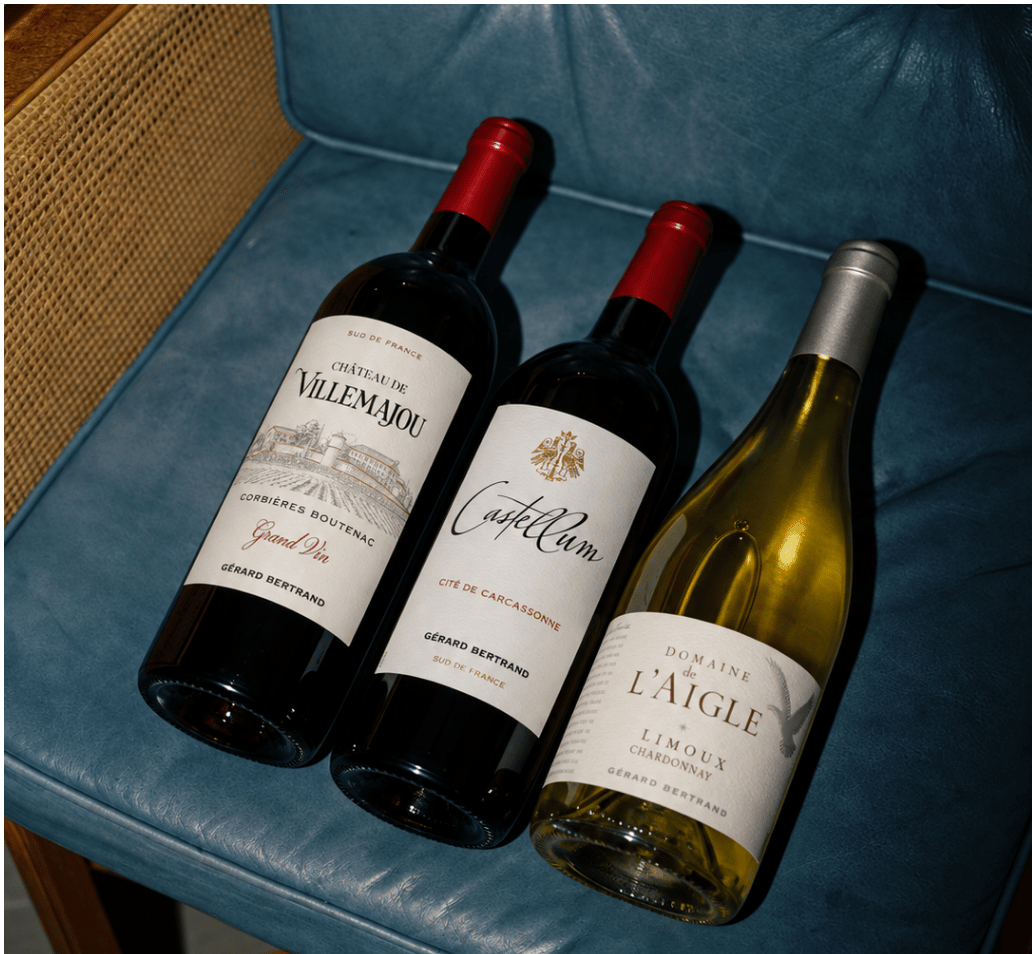
Wine Enthusiast Best of Year 2026 Issue Buying Guide
The latest awards for our wines reflect the excellence and consistency of our terroirs. While every rating recognises meticulous work in the cellar and vineyard, we choose to highlight our highest ...
Read the article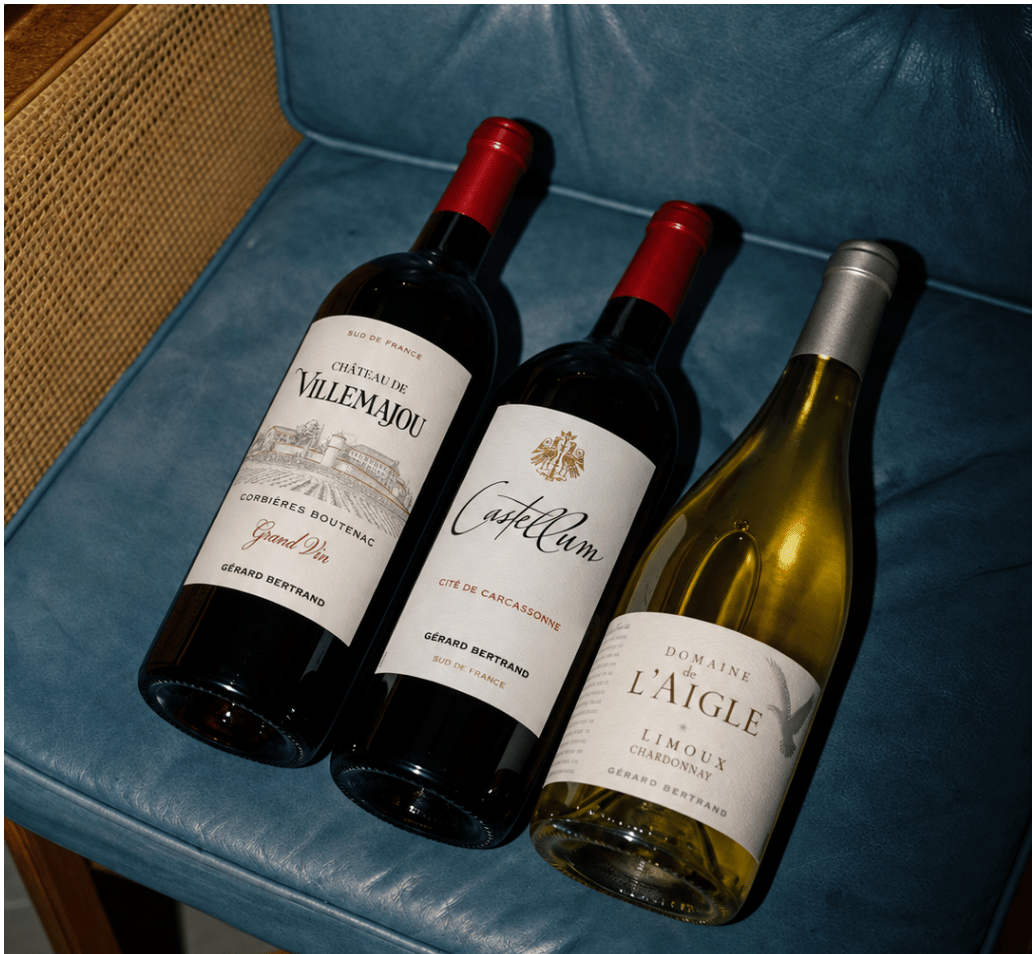
Last days to enjoy the wine fair
The Wine Fair ends tomorrow. You have just a few hours left to finalise your selection and check out before the offer ends. The most sought-after wines are the first to sell out: until 10 ...
Read the article
DELIVERY IN 48H
Order and be delivered in 2 days anywhere in France, 5 days for Europe.

Secure payment
Protected transactions for a confident shopping experience.

Customer service
A question? Need advice? Our customer service team is here for you.

quality guaranteed
Every bottle is carefully selected to offer the very best.