
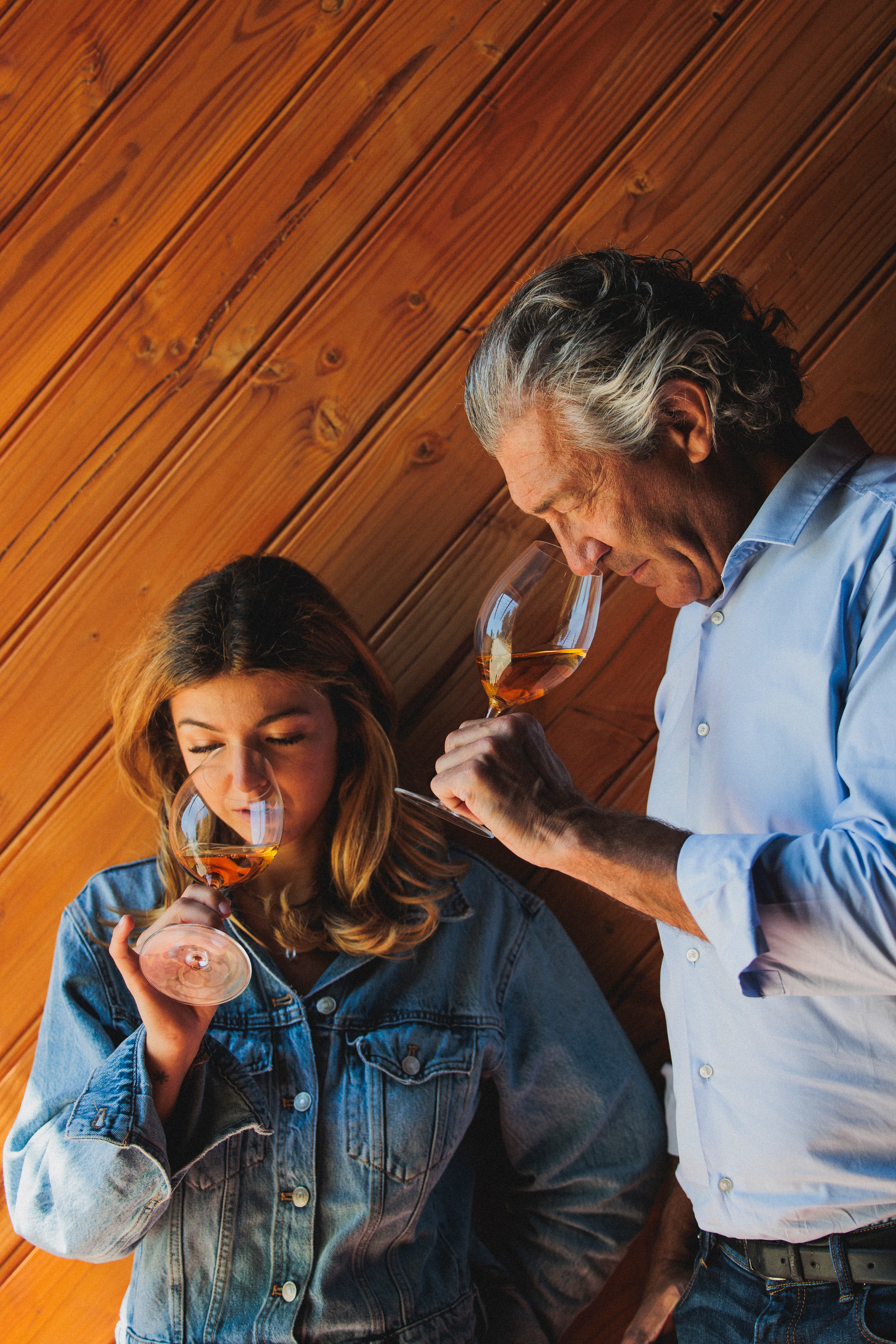
The Bertrand family
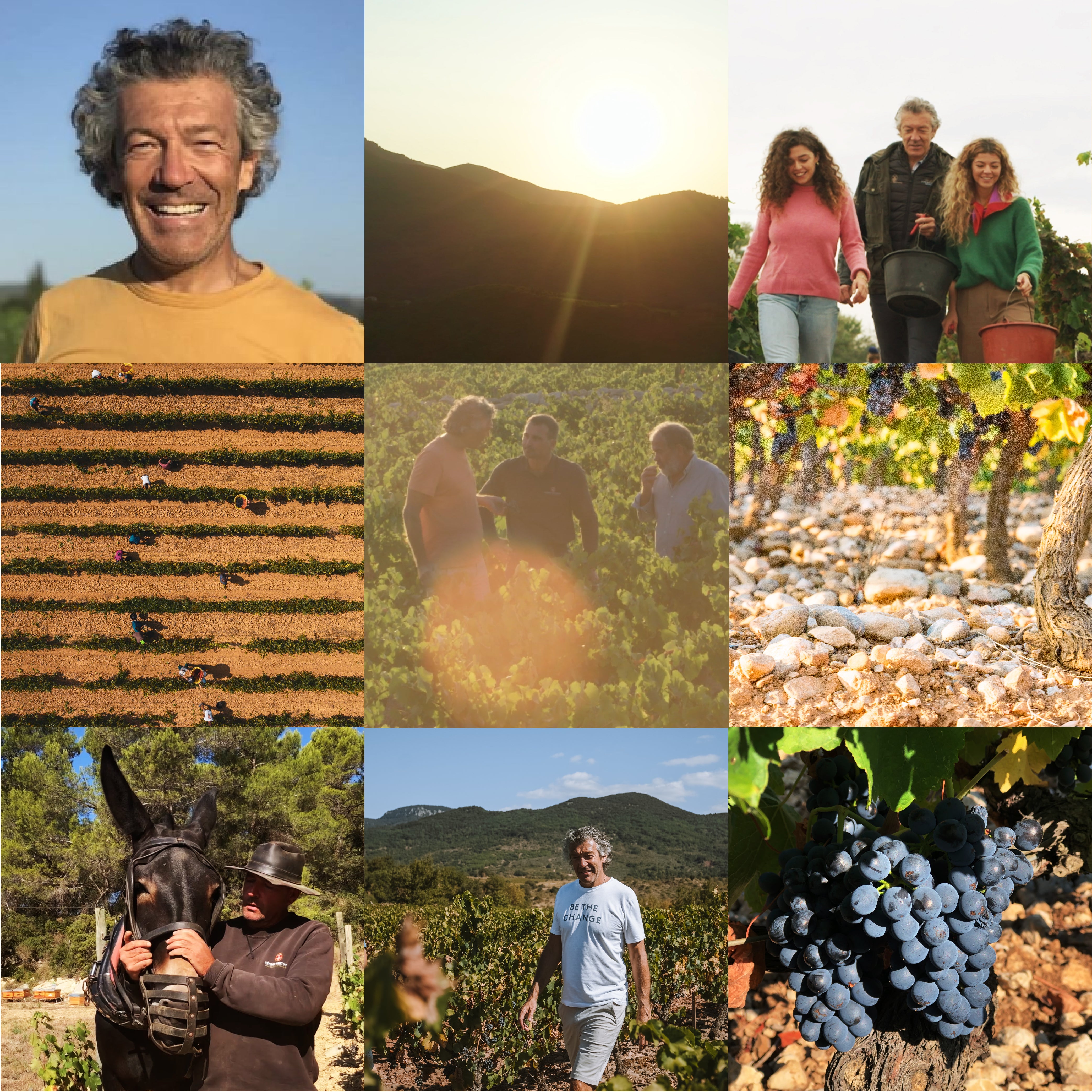
At the heart of the 2020 harvest
HARVEST 2020
The birth of a great vintage
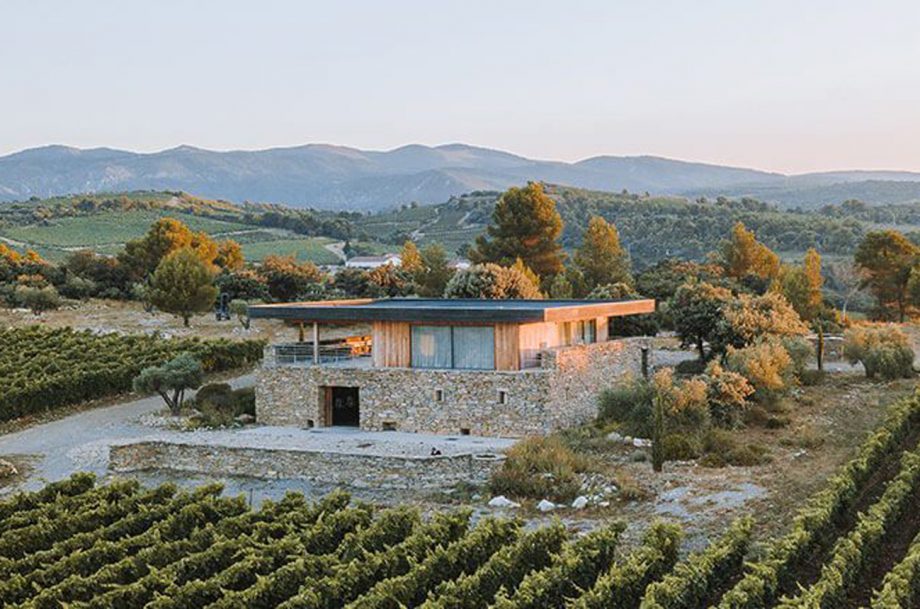
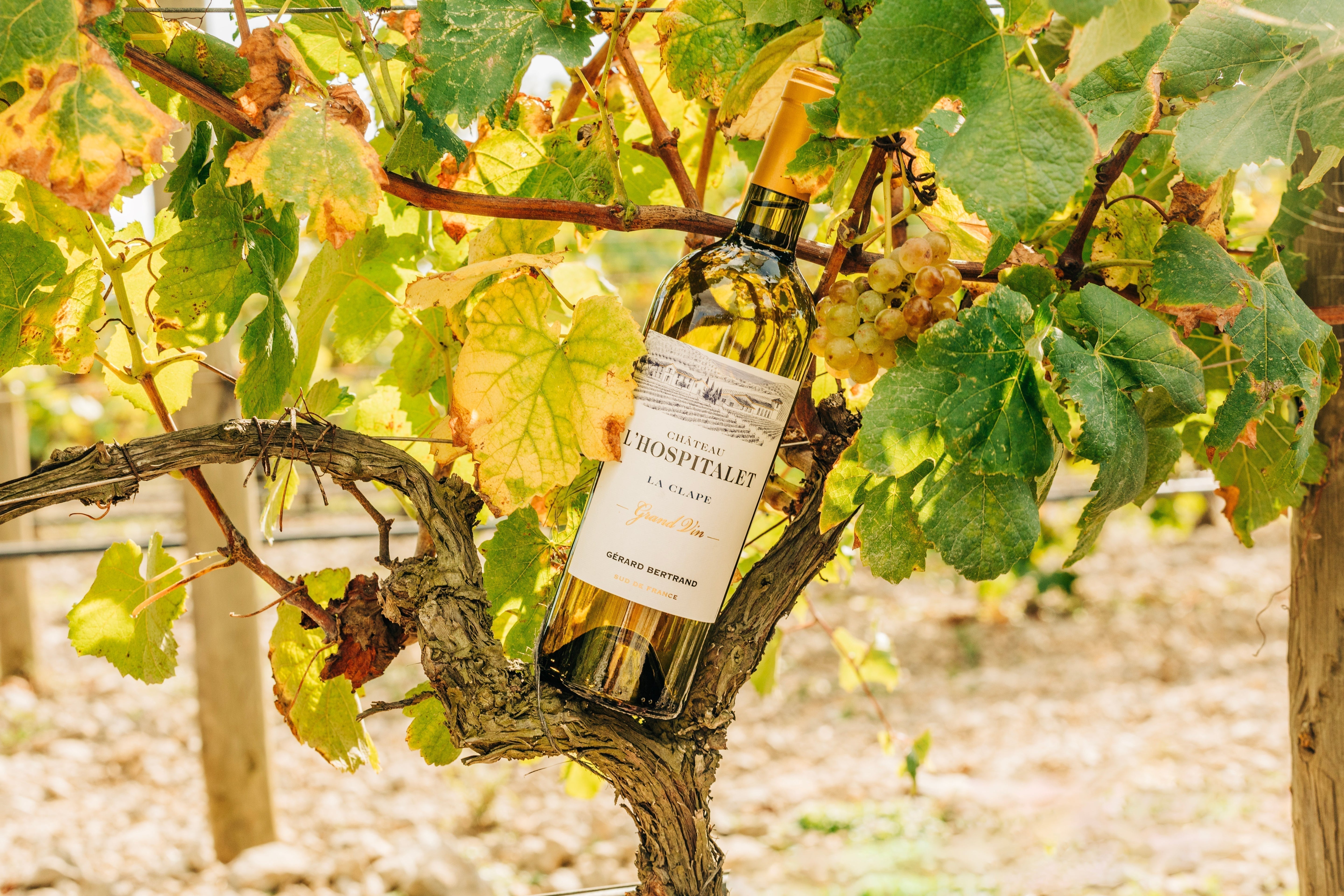
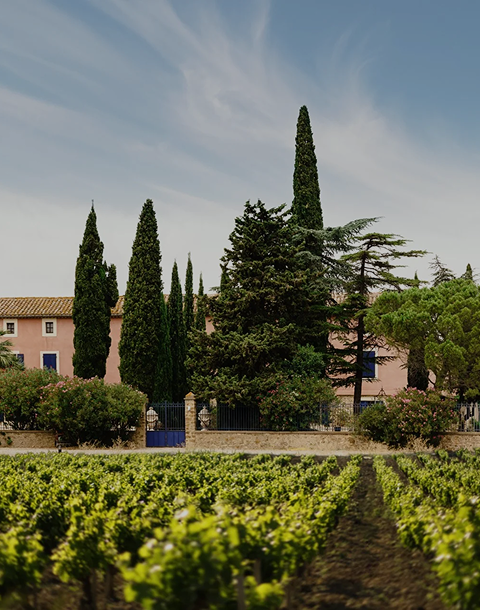
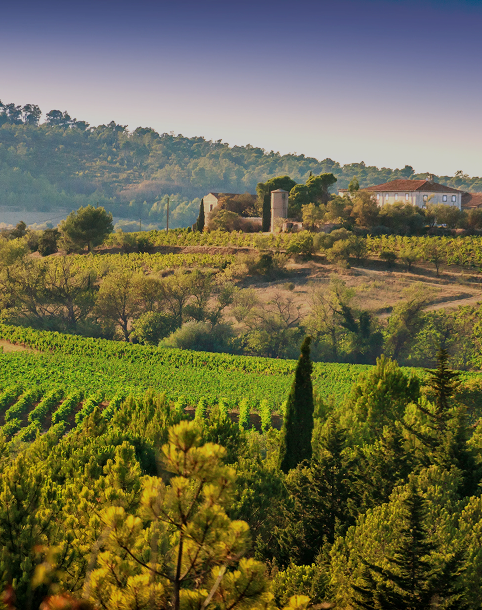
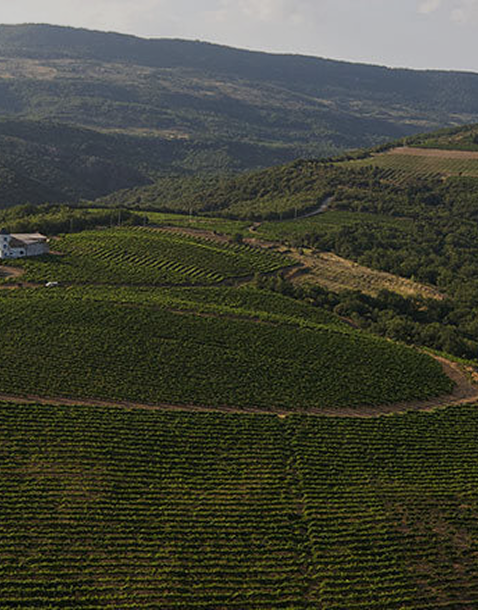
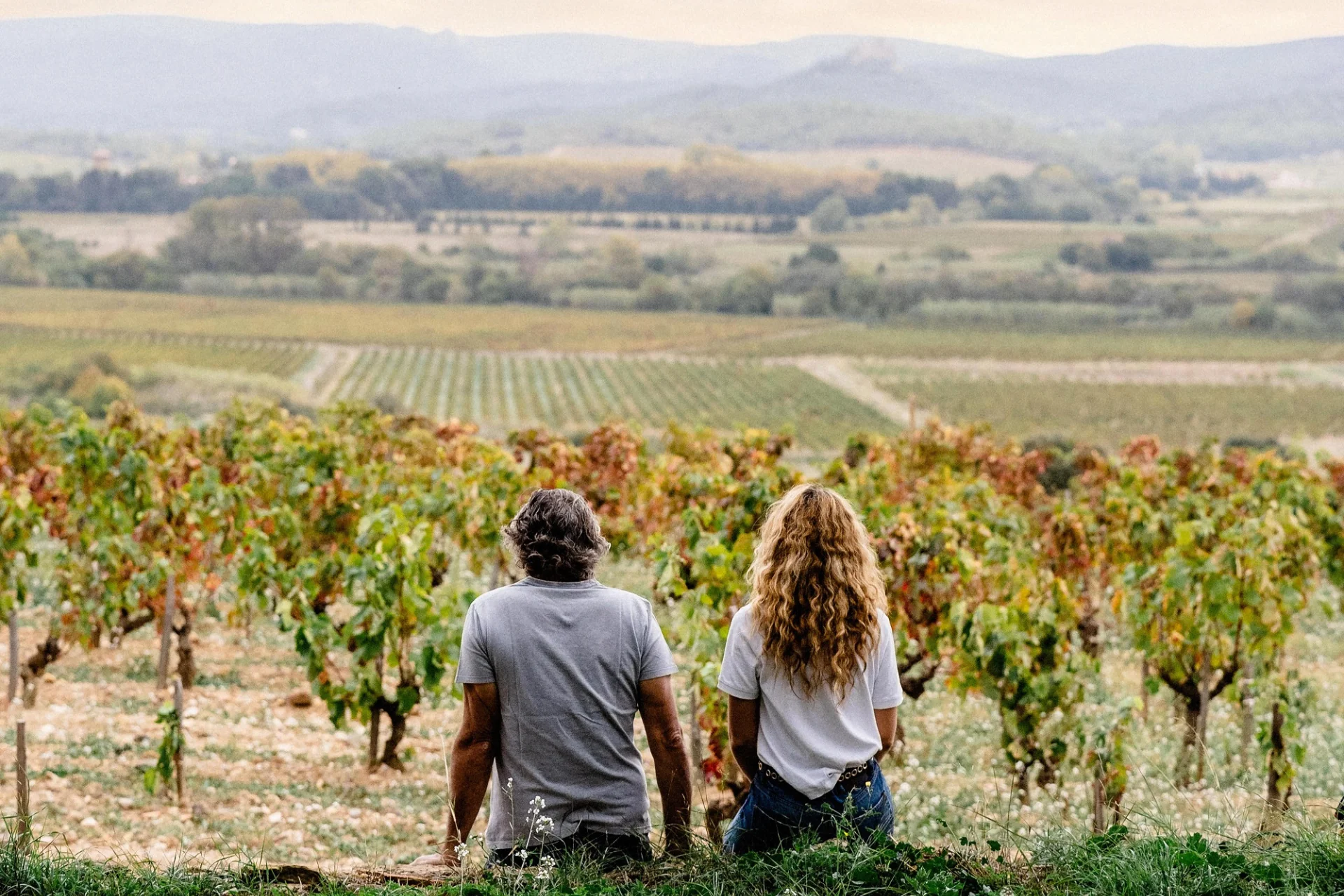
With a rainy spring and a hot summer, work in the vineyard was this year particularly attentive, aimed at accompanying nature and each vine with respect until harvest. After 9 weeks of harvesting, walking the vine rows, observing, tasting the grapes, appreciating the evolution of their ripeness, carefully accompanying their reception in the cellar, at the last snip of the secateurs on 15 October, we had the feeling of having watched over together the birth of a great 2020 vintage. Discover the short film of the 2020 harvest.Vintage 2020 – perspective note
20 October 2020
Richard Planas, Director of the Châteaux and Domaines Gérard Bertrand
2020: a wet spring followed by a hot summer
The 2020 growing season will be deeply marked by a singular and contrasting climate across the seasons.
The winter of 2020, mild and rainy, allowed a beneficial recharge of the subsoil water reserves and early budburst. As a precaution, we were led to deploy preventively, in sensitive areas, "frost candles", which allowed us to avoid the pitfall of frosts.
The spring, humid and warm, generated active vegetative growth, good development of the leaf surface and early flowering, breaking records in terms of thermal and rainfall balances.
The summer proved typically Mediterranean: an absence of rainfall and high temperatures, but without excess, allowed the vineyard to set out on the path towards the ripening of its grapes.
Harvest begins on 18 August, a first on our vineyards, about ten days ahead of the early white grape varieties (Chardonnays and Sauvignon Blancs).
Biological indicators in the green
Annual rainfall reached, across most of our terroirs, historic values for the Mediterranean climate (>800mm). Coupled with high temperatures, but normal for the Languedoc region, these water inputs allowed early and beneficial development of the foliage, a revival of the biological activity of the soils and excellent mineral nutrition. However, they also encouraged the development of pests and pathogens, against which we helped the vines to defend themselves by stimulating their natural defences.
Locally, the significant winter and spring rainfall was nonetheless not sufficient to entirely eliminate water stress in plots with shallow soils. We compensated for this by combining soil work, yield management and biodynamic applications.
The summer storms (mid-July and mid-August) and the dominance of the sea breeze in August (raising air humidity) locally restored a good physiological balance of the foliage and grapes.
Technical monitoring and plot-level vigilance
As every year, we exercised daily vigilance and attention in the vineyard by walking each plot with meticulous care. This monitoring and precision work allows each vine to be accompanied through to harvest in the best possible conditions.
We equipped ourselves with high-performance tools to consolidate our diagnostics: connected weather stations, measurement of water stress, nutritional monitoring through petiole analysis.
We also created a laboratory to carry out, autonomously, analyses using "sensitive crystallisations" to support our technical choices in terms of biodynamics.
The applications of biodynamic preparations also played a particularly important role in accompanying the harmonious development of the vegetation and stimulating the natural defences against climatic or parasitic stresses. They followed one another in rhythm with the seasons and planetary alignments: Maria Thun compost in autumn, Horn Manure in spring and Horn Silica during the vegetative phases of the vine…
A harvest with very high qualitative potential in prospect
The results are up to our standards of excellence: the harvest volumes are in line with our qualitative objectives.
The excellent health status in the vineyard was maintained from the beginning to the end of the harvest. It was necessary to remain vigilant, as every year during the harvest period, in accordance with the weather conditions.
The quality indicators (precocity; leaf area/crop load ratio; chemical composition and berry tasting; health status) bode well for an exceptional vintage.
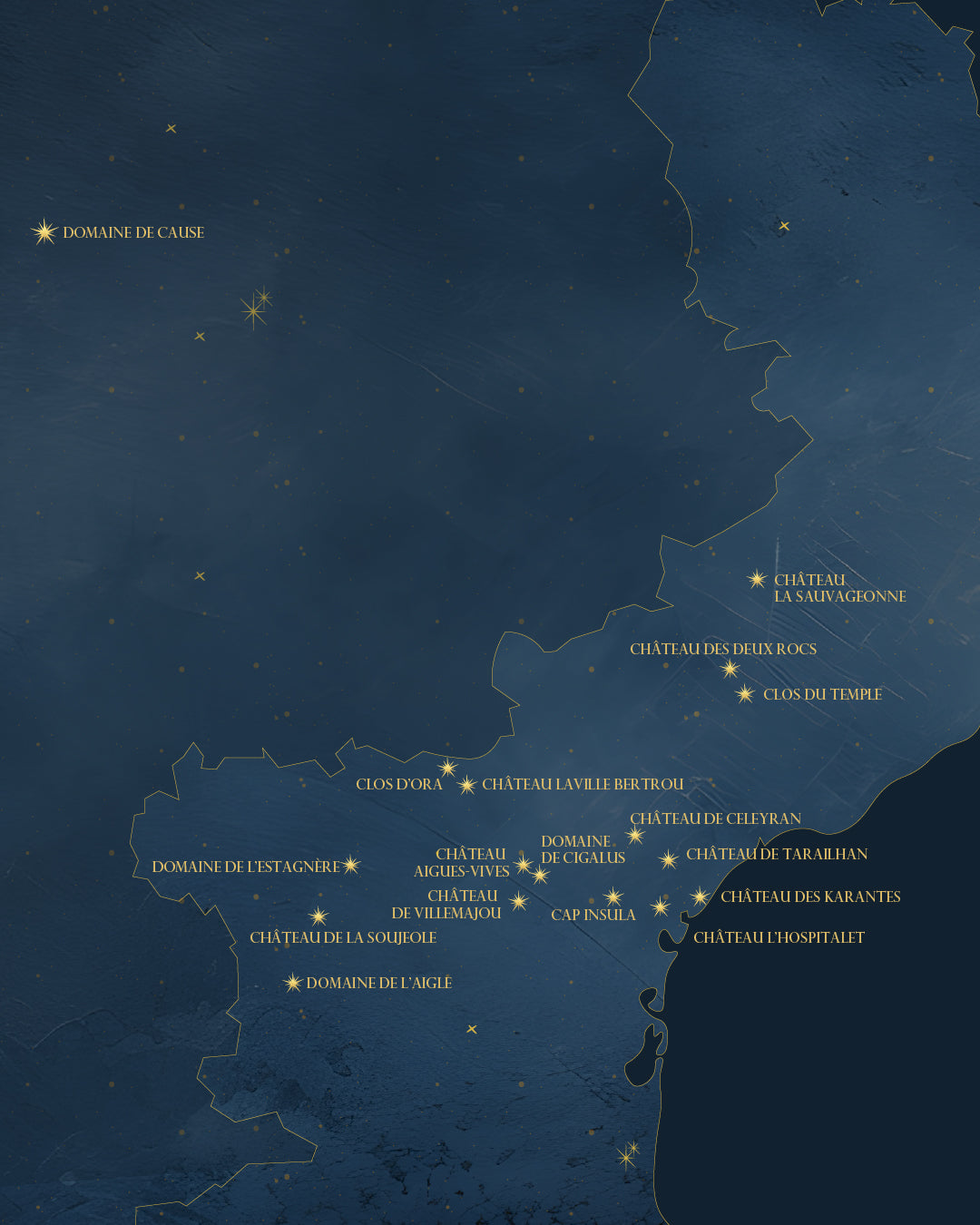
The harvest began early this year (1 week ahead of the norm, more than 15 days ahead of 2019) with the picking of the Chardonnays at Cigalus on 18 August, and concluded at Domaine de l'Estagnère on 15 October with the harvest of the Cabernets Francs.
Thus, we had almost 2 months of harvest spread according to the ripeness levels of our different terroirs: as close as possible to grape ripeness, balancing the preservation of freshness, tannin elegance and the full expression of the aromatic potential of the berries.
The focus of attention for this vintage was first on the whites, where we carried out precise monitoring of ripeness levels to preserve the acidity and good balance of these wines. For the whites, the abundant spring rainfall as well as the summer showers resulted in juicy berries and very clear, aromatic juices.
The first reds run off present deep colours and very concentrated wines. Attention this year was focused on the very high tannin extractability. Thus, macerations are shorter and extractions very gentle (light pump-overs, no over-extraction). Harvesting at just the right ripeness allows for elegant wines. Whole-bunch macerations on the Carignans but also on some selected Syrahs fully reveal the expression of the terroir and the vintage, adding richness to the wine and bringing characteristic notes of tapenade and garrigue. The destemmed macerations, which are largely in the majority, are elegant and reveal the full power and complexity of the wines.
The rosés continue their ageing in barrel for another 6 months. This year, all the estates equipped themselves with refrigerated containers as well as crates allowing us to press fresh grapes in order to preserve all their aromatics and thus obtain pale rosés. The colours are magnificent and the aromatics look very promising.
The whites quietly complete their co-fermentation in barrel and gently finish the fermentation of the sugars. The colours are brilliant, the lively and clean wines present excellent ageing potential and are already very pleasant to drink. The next 6 months in barrels will allow the full expression of the aromatic potential of these very great wines.
At the end of a year of precise work in the vineyard, all our teams, reinforced by the full complement of seasonal harvest workers, contributed together to the completion of the 2020 vintage, which promises to be exceptional.

2 comments
Bonjour la maison Gérard Bertrand
Nouvel arrivant dans l équipe commercial sur le département du Maine et Loire depuis début août , suis très heureux de découvrir cette vidéo
Qui met en valeur cet excellent millesime et du travail de l équipe dans les vignes et dans les chais qui réalisent des grand vins .
Au plaisir d y aller au plus vite si possible dans se monde de …….🍾
Vinicolement
Franck Payraudeau
Payraudeau
Cher Gérard ,
bravo à toi et à tes équipes on retrouves des professionnels et surtout des gens de passion .
C’est ça la vraie réussite
Félicitations à toi et tes collaborateurs
Amicalement .
Gerard
gerard joulie
Leave a comment
This site is protected by hCaptcha and the hCaptcha Privacy Policy and Terms of Service apply.