
The Bertrand family

How is rosé wine made?
How to make rosé wine:
A complete guide for wine lovers — are they exceptional?

Rosé wine, with its alluring colour and fruity aromas, is a drink enjoyed by many wine lovers around the world. But do you really know what lies behind the making of this delicious rosé beverage? In this detailed guide, we will explore in depth the process of making rosé wine, shedding light on each essential step to produce a superior quality rosé wine.
Introduction to rosé wine

Rosé wine is a wine that sits between red wine and white wine in terms of colour and flavour. Contrary to popular belief, rosé wine is not simply a blend of red wine and white wine. It is made from black grapes with white pulp, with a shorter maceration than that used for red wine.
Step 1: Choice of grapes

The first crucial step in making rosé wine is the selection of the grapes. The grapes used to produce rosé wine are primarily black grapes with white pulp, such as Grenache, Syrah, Mourvèdre and Cinsault. These grape varieties are chosen for their aromatic characteristics and their ability to produce good rosé wines that are balanced and refreshing.
Step 2: Maceration

After the harvest, the grapes are taken to the winemaking facility where the maceration process begins. Maceration involves leaving the grape skins in contact with the must for a set period, generally a few hours to a few days. It is this maceration that gives rosé wine its characteristic colour, ranging from pale pink to salmon pink..
Step 3: Pressing
 Once maceration is complete, the must is pressed to separate the juice from the skins and seeds. This juice is then transferred into fermentation tanks to begin the alcoholic fermentation process. Pressing is a crucial step as it largely determines the colour, flavour and texture of the final rosé wine.
Step 4: Fermentation

During alcoholic fermentation, the sugars present in the must are transformed into alcohol by the action of yeasts. This fermentation can take place in stainless steel tanks or in oak barrels, depending on the winemaker's preferences and the desired style of rosé wine.
Step 5: Ageing

After fermentation, some rosé wines may undergo an ageing period to develop greater complexity and character. During this period, the wine can also be aged in oak barrels to add aromas of vanilla and toast, or in stainless steel tanks to preserve its freshness and fruity purity.
Step 6: Clarification & filtration

Before being bottled, rosé wine is often clarified and filtered to remove impurities and suspended particles. This step ensures the stability and clarity of the wine, whilst preserving its natural aromas and flavours.
In conclusion, making rosé wine is a complex and meticulous process that requires considerable expertise and know-how. From the selection of grapes to bottling, every step is carefully orchestrated to produce the best rosé wine, enjoyed by enthusiasts the world over. By understanding the rosé wine-making process, you can better appreciate and savour this delicious drink at your next tastings.
 Rosé wine rosé wine is a tradition dating back to Antiquity; the origins of rosé wine making lie in the Mediterranean vineyards.
It is there that the first winemakers discovered the maceration of
red grape skins to obtain this rosy hue.
The diversity of grape varieties used in rosé wines

One of the distinctive features of rosé comes from the quantity and diversity of all its grape varieties. Grenache, Syrah, Mourvèdre, Cinsault and even Sangiovese, typical of southern Corsica, are the most common and widespread in its production. Each one has its own characteristics, bringing a palette of different flavours and aromas on the palate.
The Wine-Growing Regions
Organic rosé wine is an unmissable classic of sun-drenched wine-growing regions around the world. Whether in Provence in France, where good rosé wine dominates, in the Napa Valley in California or even around Adelaide in Australia, each terroir offers a diversity to explore.
Organic rosé wine being a blend of red wine and white wine is absolutely false. Its production requires finesse and precision, with careful extraction of the juices that preserves the aromas of the grape varieties. Made from black grapes with white pulp, the rosé wine is the result of a shorter maceration than that used for red wine.
After the harvest, the grapes are taken for winemaking where the maceration process begins. This step involves leaving the grape skins in contact with the must for a few hours or even a few days — this is what will give the must.
This must is then pressed to separate the juice from the skins and seeds. Once transferred into fermentation tanks (stainless steel or oak barrels), the alcoholic fermentation process begins. This fermentation transforms the sugars present into alcohol through the action of yeasts.
Some organic rosé wines may then undergo an ageing period to develop greater complexity and character. The wine can then be aged in oak barrels to develop aromas of vanilla, for example, or in stainless steel tanks to preserve its fruity aromas.
Before being bottled, the organic rosé wine is generally clarified and filtered to remove impurities and various particles present.
In conclusion, making rosé wine is a complex and meticulous process. From the selection of grapes to the final bottling, everything is organised to produce the best rosé wine. Understanding this process allows you to fully appreciate and savour every tasting.
Find out more about rosé wine:
Organic rosé wine, good rosé wine
Rosé wine and its grape varieties
Organic and biodynamic rosé wines
Discover the best Gérard Bertrand wines :
Explore the Gérard Bertrand estates :
Its wine-growing estates in the Languedoc-Roussillon
His expertise in the creation of biodynamic wines
Nos dernières actualités
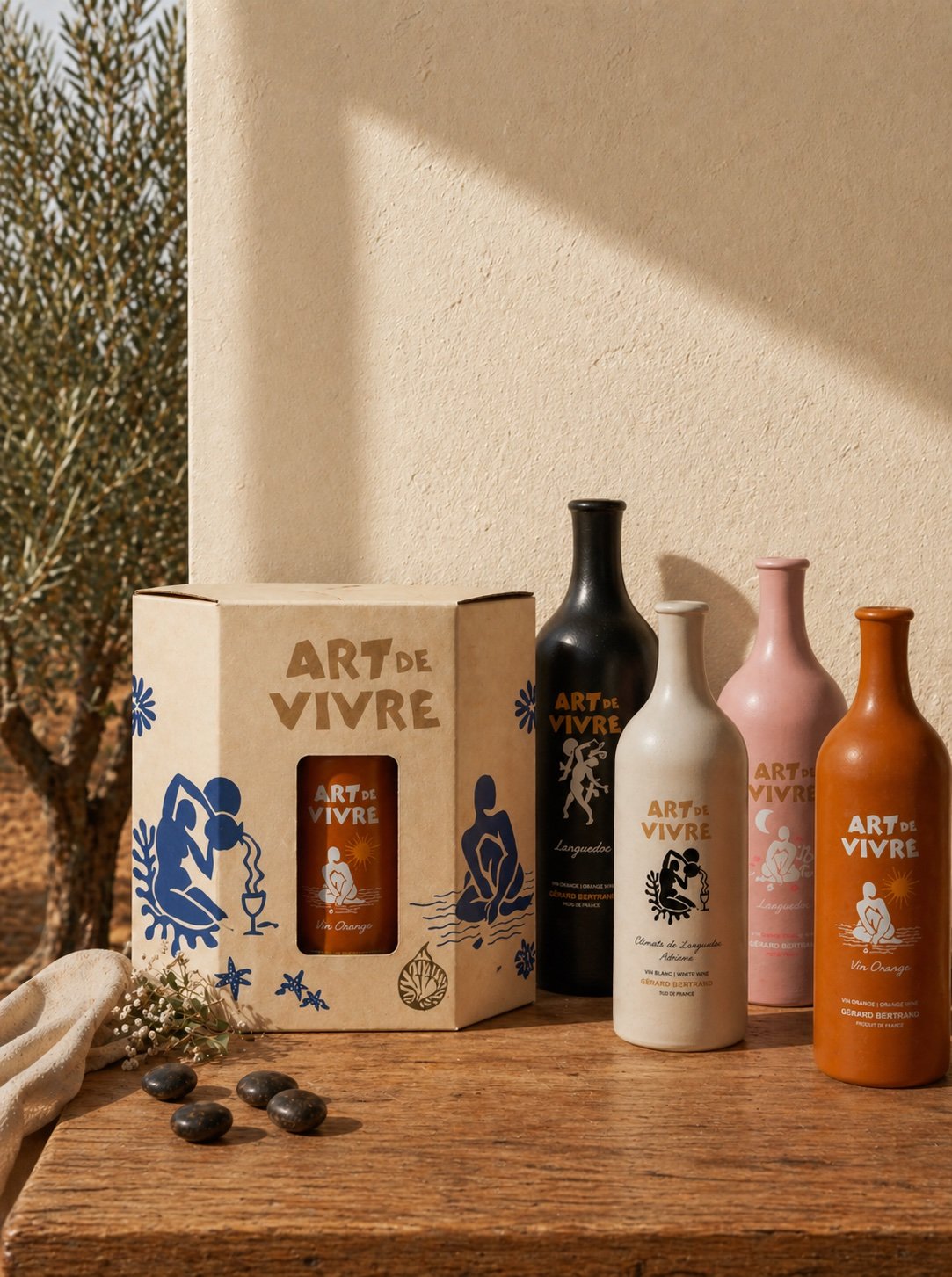
L'Équipe Idéale : Quand les Vins Gérard Bertrand Prennent Position sur le Terrain
Et si chaque poste sur le terrain avait son vin ? Gérard Bertrand compose son équipe idéale pour la Coupe du Monde 2026, des cuvées d'exception à la hauteur des émotions du football.
Read more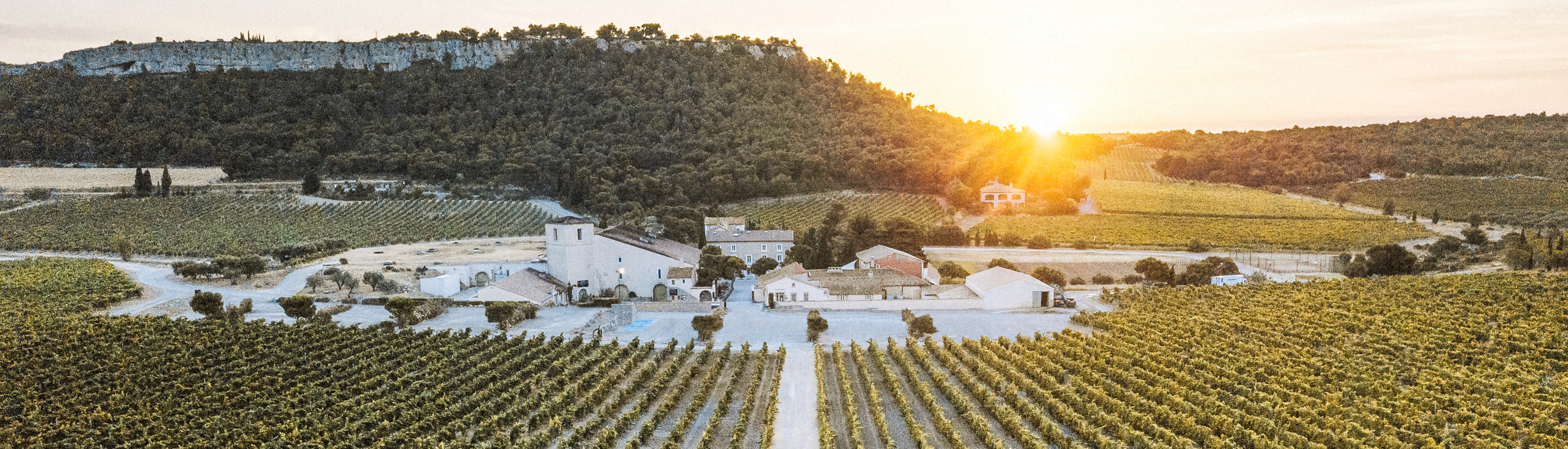
Le Château l'Hospitalet, élu parmi les 100 meilleurs hôtels du monde
Une reconnaissance internationale pour le Château l’Hospitalet.
Read more
Le cadeau parfait pour la Fête des Mères
Découvrez une offre exclusive pour la Fête des Mères
Read more