

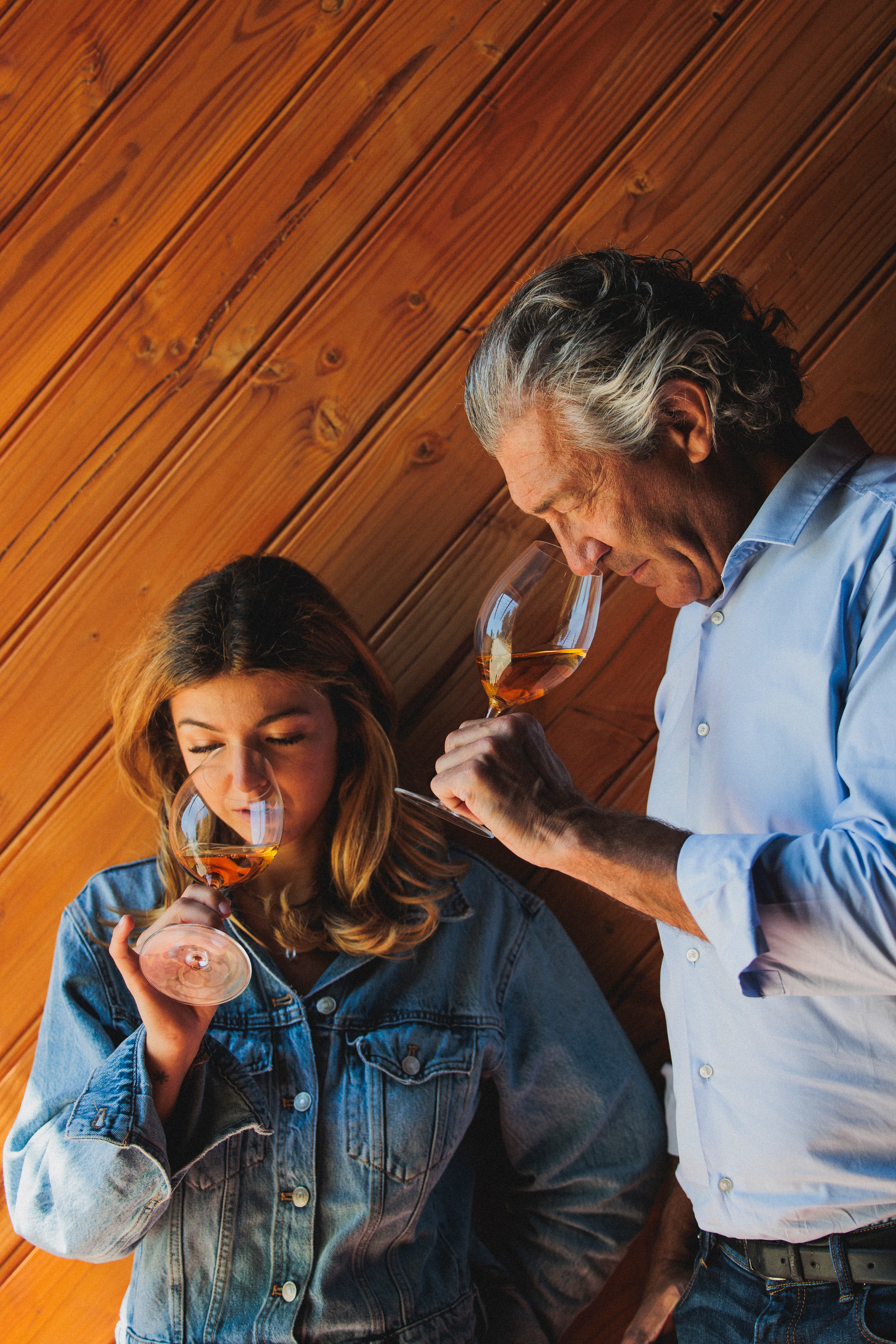
The Bertrand family
Organic Languedoc rosé wine: a pleasant and elegant rosé wine from organic farming

A flagship drink of summer and holidays, rosé wine is today in full growth. This fine and delicate wine with its fruit aromas and floral scents pairs with all kinds of dishes. This light alcohol is particularly appreciated as an aperitif, thanks to its natural acidity and freshness.
Gérard Bertrand, a talented winemaker and entrepreneur, understood very early on the importance of producing a high-quality rosé wine. His wines, balanced and mineral, full of nuance, are a true success. Furthermore, his deep attachment to nature quickly led him towards the creation of organic and biodynamic wines, far more respectful of the environment compared to traditional wines.
The organic rosé wines from Gérard Bertrand estates have thus received particular expertise in the creation of premium wines: from the gentle cultivation of the vine (organic and biodynamic viticulture) to the transformation of grape juice into wine (vinification).
Find out more about our collection of organic rosé wines.
Let us go into more detail by answering a few commonly asked questions:
What is an organic rosé wine?
Origin and definition of rosé wine

Contrary to what one might think, compared to white wine and red wine, rosé wine is surely the oldest type of wine. Indeed, it was already consumed in Ancient Greece. Preferred over red wine, which was difficult to drink at the time as it was far too tannic, rosé was the most widely consumed alcoholic beverage. Although there is no official definition, a rosé wine can be defined as a wine made from black grapes with white flesh, such as grenache, a typically southern grape variety commonly cultivated in the vineyards of the Occitanie region.
An organic rosé is a wine produced in accordance with the principles of organic farming. This is notably the case for the cuvée Source of Joy, an organic rosé wine from the Languedoc certified AB and Vegan.
Just like biodynamic wines, organic wines have received no chemical products during their production, whether to combat any vine diseases (pesticides), or to encourage their development (fertilisers). Furthermore, all the additions used to transform grape juice into wine (inputs) are themselves also certified organic.
Discover the collection of Gérard Bertrand organic rosé wines.
An organic vineyard is produced on quality soil
The use of natural products also requires the winemaker to meticulously choose the location of their vineyard. Indeed, without synthetic products to "boost" the vine whatever the conditions, as is the case in traditional farming, the winemaker is obliged to choose land suited to grape growing.
The soil of an organic or biodynamic vineyard must therefore be rich and conducive to the development of the vine. This is notably the case for the domaine de Villemajou, an exceptional AOP Corbières vineyard producing red, white and rosé wines of great quality, certified under organic farming "AB" and biodynamic farming "Demeter".
An organic rosé wine thus comes from a vine that has been respected, growing on fully healthy soil that has not been subjected to attack from pesticides or synthetic fertilisers.
An organic wine contains fewer sulphites
One of the characteristics of organic wines is that they contain far fewer sulphites than a traditional wine. Although this substance is naturally present in wine, the addition of sulphites facilitates the winemaking process. However, at too high a dose, it can cause headaches, digestive problems, etc. in some people.
The addition of sulphites during the production of an organic wine is low, or even nil — these wines are then referred to as wines "without added sulphites", as is the case for the Gérard Bertrand Prima Nature rosé wine. The sulphites contained in this bottle are only those naturally present in the wine.
An organic rosé wine, thanks to its low sulphur dioxide content, thus offers improved digestibility for people sensitive to sulphites.
How is the colour of an organic rosé wine obtained?

Many people wonder where the salmon colour of an organic rosé wine comes from. It is simply the skin of the black grape which, when it comes into contact with the juice after being pressed or crushed, colours the wine.
Thus, the longer the maceration, the darker the colour of the wine. This is also the process used for red wine, except that for the latter, the skins are left in contact for much longer than for rosé wines.
This step thus allows the production of pale organic rosé wines, such as the bottle Or & Azur, a wine certified AB and Bee Friendly, or very pale rosé wines, such as Clos du Temple, an exceptional cuvée from a vine cultivated biodynamically.
In the case where the grapes are pressed immediately, the contact time of the skins with the juice is very short, resulting in an extremely pale rosé, which can resemble a white wine — this is notably the case for the wine "La Villa 2019 Château la Sauvageonne", voted best rosé wine in the world two consecutive years, in 2017 and 2018, by Drinks Business.
Discover other types of wine:
Making of rosé wine : how is it crafted?
Best rosé wine and Languedoc rosé wine
To find out more about the Gérard Bertrand world:
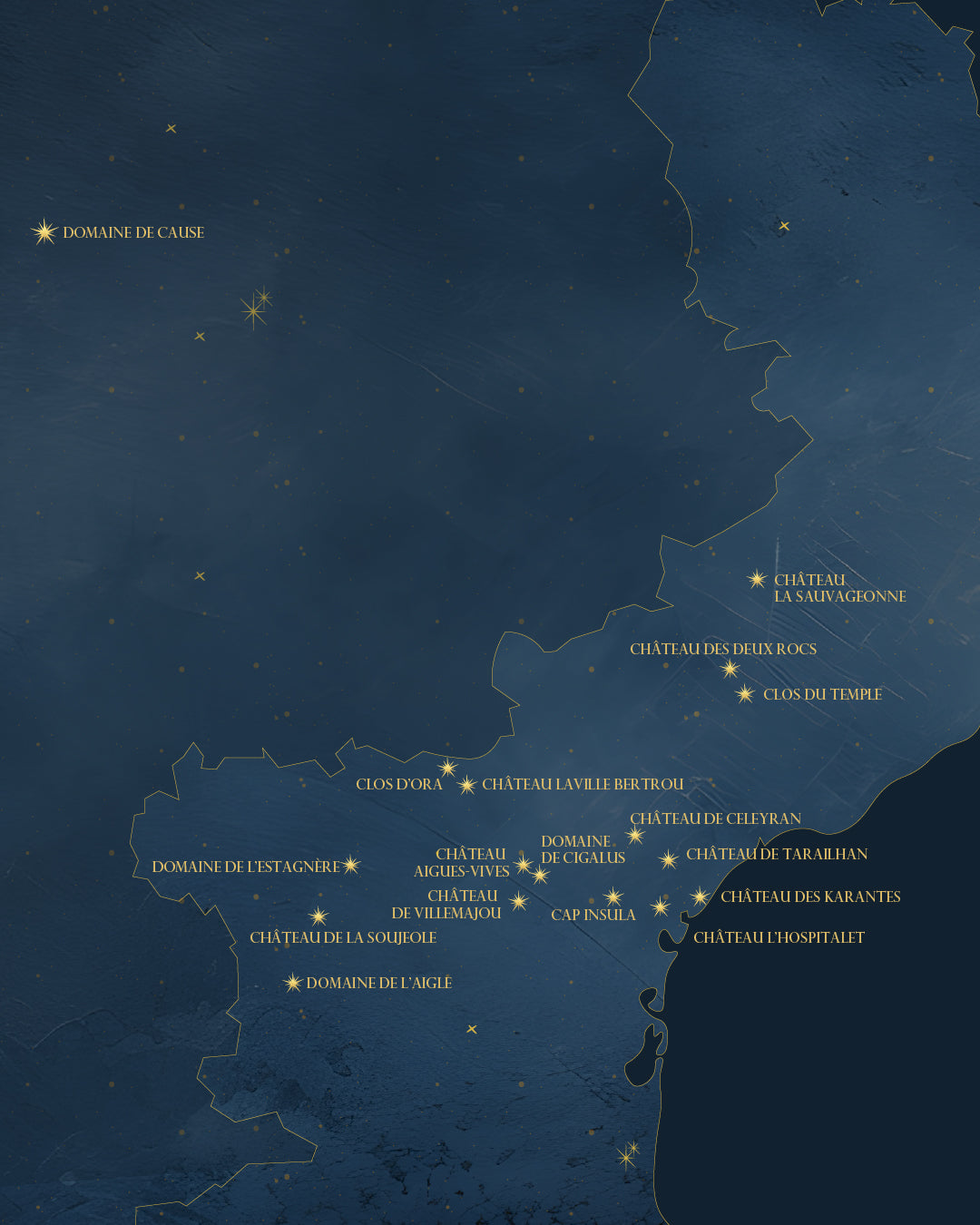
The Châteaux and Wine Estates of Languedoc-Roussillon
The online wine shop
Our latest news

Win 2 VIP Tickets for Jon Bon Jovi — Hampton Water Competition
From 30 June to 15 August 2026, try to win 2 VIP tickets to the Jon Bon Jovi concert on 28 August in Edinburgh.
Read the article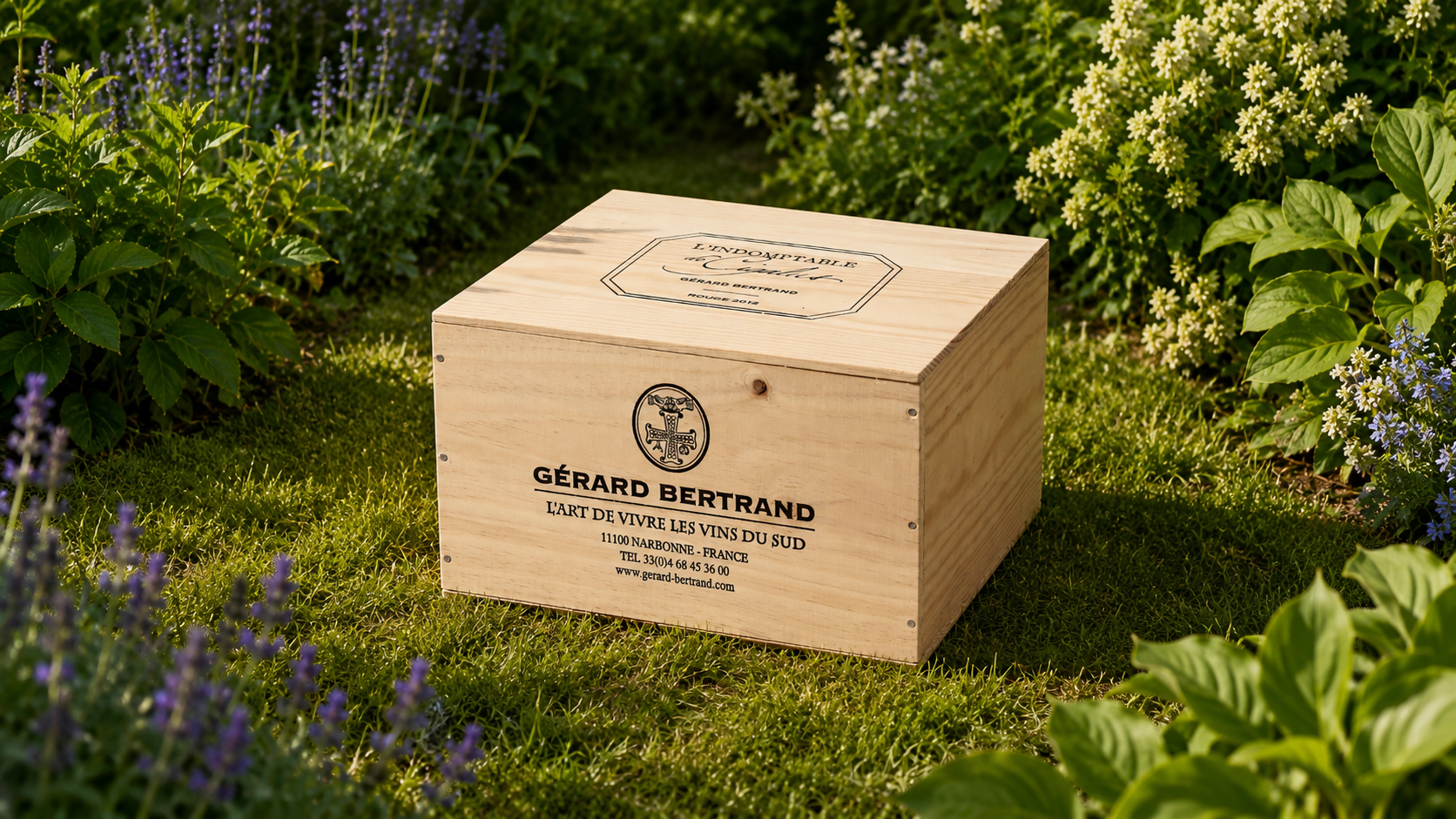
A Second Life for Our Wooden Crates
A fine example of reuse: in Germany, our wooden crates are finding a second life with an association committed to protecting bats.
Read the article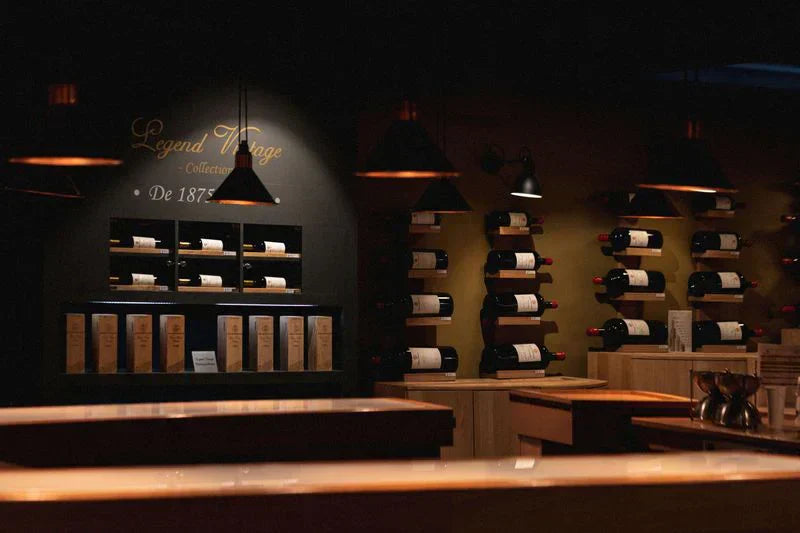
Éloge Des Sens
On Saturday 11 July 2026, from 6pm to 8pm, join us at the Boutique du Château to celebrate its anniversary.
Read the article