
The Bertrand family
Do you know sweet wines?

Sweet wines are often overlooked or underestimated in the world of wine. Yet they offer a diversity of flavours and textures that are well worth exploring.
What is a sweet wine?

A sweet wine is characterised by a higher residual sugar content than that of dry wines. This sugar comes from grapes that have not fully fermented, leaving a natural sweetness in the wine. French sweet wines can be white, red or rosé and vary in terms of sweetness, ranging from slightly sweet to very sweet.
The different production methods for sweet wines

photo credit: @hypemovie
Late harvest
Late harvest involves leaving the grapes on the vine longer than usual, often until they are partially dried out by the sun. This method concentrates the natural sugars in the grapes, thus producing a sweeter wine. Late harvests are common in regions such as Alsace in France, where late-harvest wines such as Gewurztraminer and Riesling are produced.
Passerillage
Passerillage is a technique whereby grapes are dried, either on the vine or after harvest, to concentrate the sugars. This process is used in regions such as the Rhône Valley and the south of France. The result is a rich, sweet wine, often with aromas of dried fruit and honey.
Noble rot
Noble rot, caused by the fungus Botrytis cinerea, is a unique method that makes it possible to produce some of the most famous wines in the world, such as Sauternes in France and Tokaji in Hungary. This fungus dehydrates the grapes, thereby concentrating the sugars and aromas. Wines produced from noble rot are often very complex, with notes of tropical fruits, honey and caramel.
Fortification
Fortification is a technique used to halt fermentation by adding alcohol, generally in the form of brandy. This method preserves a significant quantity of residual sugar. Fortified wines, such as Port in Portugal and Banyuls in France, are known for their richness and sweetness.
Wine regions famous for their naturally sweet wines

France
France is renowned for its quality French sweet wines, with regions such as Sauternes in Bordeaux, where Château d'Yquem produces some of the most prestigious wines in the world. Alsace is also famous for its late harvests and noble rot selections.
Germany
Germany produces exceptional naturally sweet wines, primarily from the Riesling grape variety. The wines from the Moselle region, such as Spätlese and Trockenbeerenauslese, are particularly prized for their balance between sweetness and acidity.
Italy
Italy is no exception, with iconic sweet wines such as Vin Santo from Tuscany, produced from dried grapes, and Moscato d'Asti from Piedmont, known for its floral and fruity aromas.
Portugal
Portugal is famous for its Port wines, which are fortified and aged to develop rich, complex flavours. The different styles of Port, from Ruby to Tawny, offer a range of sweet flavours that appeal to many palates.
How to taste sweet wines
Serving temperature : Sweet wines are generally enjoyed chilled, between 8 and 12°C for whites and rosés, and slightly warmer for reds.
Wine glass : Use a stemmed wine glass to concentrate the aromas and allow better aeration.
Food and wine pairings : Naturally sweet wines pair perfectly with desserts, blue cheeses, and even spicy dishes. Try a Sauternes with foie gras for an unforgettable gastronomic experience.
Patience : Sweet wines are often best after a few years of ageing, which allows the flavours to develop and harmonise.
Naturally sweet wines are a true invitation to discover a palette of flavours and textures that dry wines cannot offer. Whether to accompany a dessert, a cheese or simply for the pleasure of savouring an exceptional wine, French sweet wines deserve a prized place in your cellar. So, the next time you are looking for a unique wine experience, think of sweet wines and let yourself be seduced by their sweet charm.
Find out more:
- Ode to sweet wines
- From grape to bottle: The process of creating sweet wine
- Discovering the best wines of the renowned French winemaker
- Gérard Bertrand, Winemaker of France
- Languedoc wines for Black Friday: Discovering viticultural treasures at reduced prices
- Black Friday wine offers from Gérard Bertrand: A celebration of exceptional wines
- Wine fair: Gérard Bertrand's exceptional offers
Discover the best Gérard Bertrand wines:
Our latest news

Autumn Wine Fair 2026: up to 15% off our exceptional wines
The Autumn 2026 Wine Fair by Gérard Bertrand is back! From 20 September to 10 October, enjoy exceptional offers on a selection of our finest vintages. With the code FAV2026, enjoy 15% off the entir...
Read the article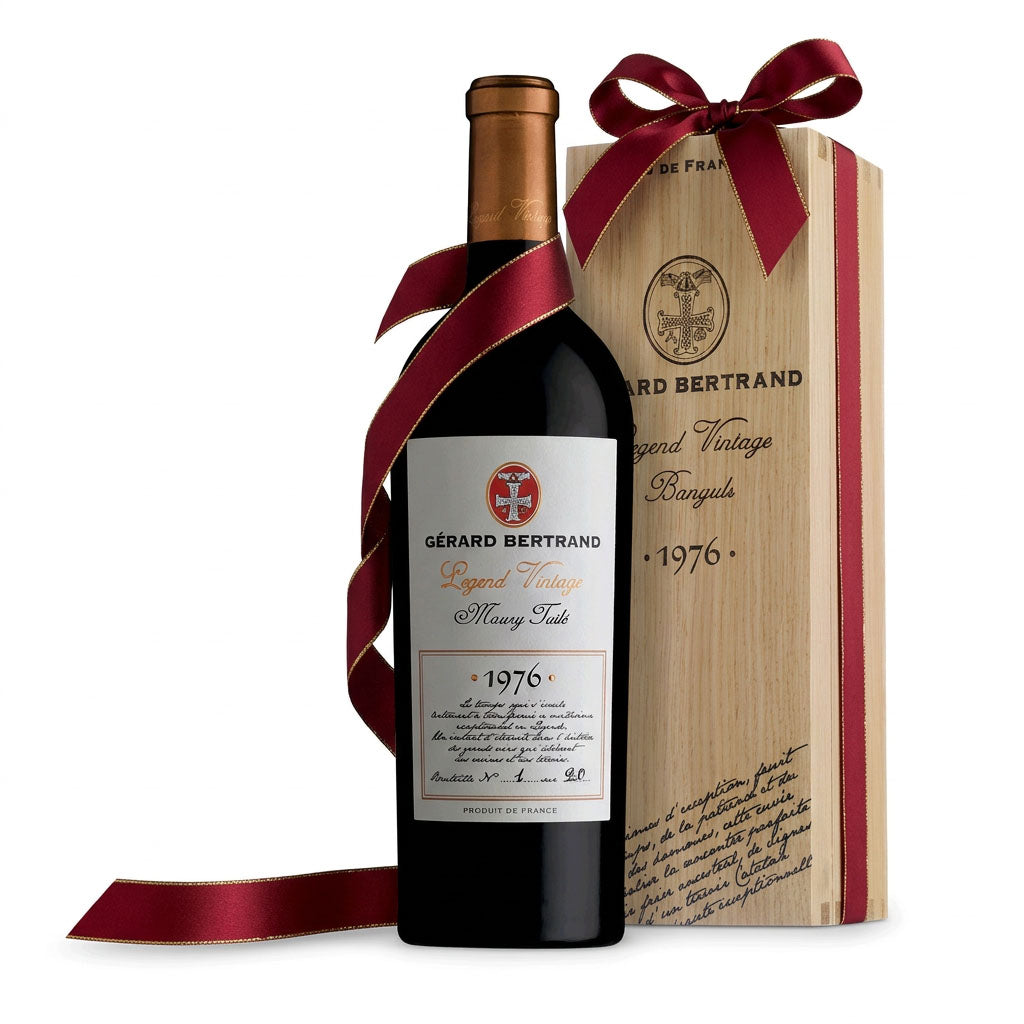
50th Birthday Gift in 2026: Offer Legend Vintage 1976 in a Wooden Box
In 2026, those born in 1976 will celebrate their 50th birthday. Discover Legend Vintage 1976, an AOP Maury natural sweet wine with a Decanter Gold Medal, available in a wooden presentation box for ...
Read the article
The Guide Hachette des Wines 2027 honours five Gérard Bertrand cuvées
Two Coups de Cœur, five wines distinguished: the Guide Hachette des Wines 2027 celebrates Gérard Bertrand wines.
Read the article