
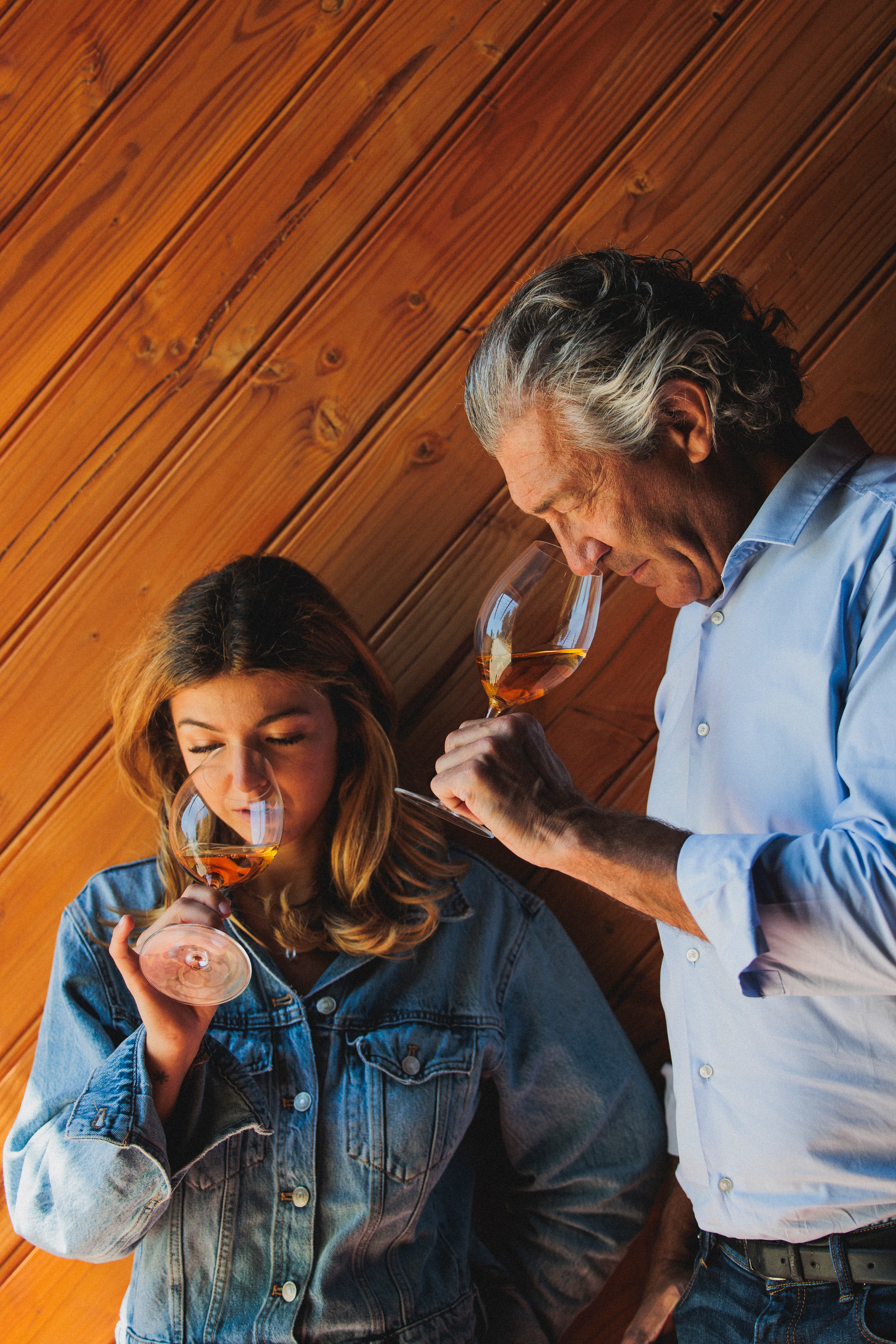
The Bertrand family
Organic rosé wine
Why choose an organic rosé wine from the Languedoc?

In the Languedoc, the caresses of the wind and the rays of the sun give rise to an arid soil, with steep slopes offering garrigue of an authentic richness.
Resulting from a very strict quality selection with healthy treatments respectful of the environment, the organic rosé wine from the Languedoc can legitimately boast of perfectly expressing its terroir. With an organic rosé wine, the development of the grape itself is just as important as the work carried out by human hands in the cellar.
Indeed, organic rosé wine is subject to specific regulations regarding additives and technical production constraints, with a reduced impact on health.
And yet, from the very first sip, an organic rosé wine from the Languedoc remains of great organoleptic richness, to the greatest pleasure of the palates of discerning wine lovers.
For a rosé wine expressing its terroir

An AB-certified vineyard plot is a guarantee that its cultivation works in harmony with the plant and its terroir.
For a rosé wine free from synthetic chemical pesticides
Synthetic chemical products include herbicides, fungicides and insecticides. These synthetic chemical pesticides are substances such as glyphosate or neonicotinoids. Pesticides cause pollution of the air, water and soil, resulting in widespread contamination of the environment and the destruction of microflora and fauna. Organic rosé wine is therefore produced without any synthetic treatments being applied to the vines.
Moreover, our A.O.P rosé from the Languedoc Source of Joy is produced using organic farming, on a complex network of underground water sources providing a resource of pure water.
To protect the environment and the Languedoc terroir
The production of organic rosé wine preserves the intrinsic components that reveal the terroir of the Pays d'Oc — its terraces of rolled pebbles, sandstones and marls, limestones and schists, as well as clay soils, puddingstones and even basalts.
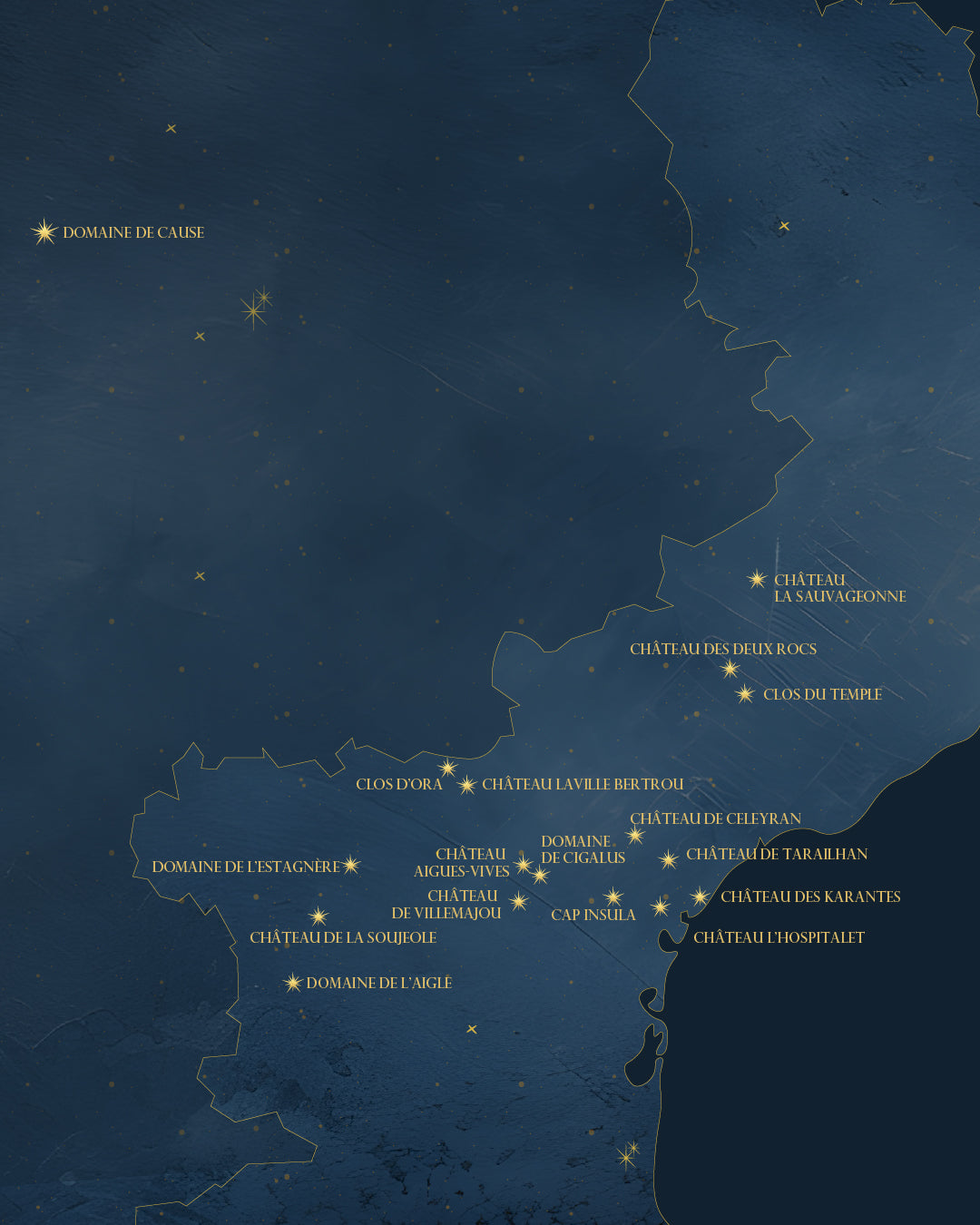
This is notably the case for our Château La Villa Sauvageonne, situated at the gateway to the Causse du Larzac at an altitude of 300 metres. Thus, the organic rosé wine produced on this Languedoc terroir with its volcanic past preserves the environment, whilst conveying the specificity of this climate and soil.
For a committed gesture towards viticulture in harmony with nature
In spring, work the soil as late as possible so that the microbial fauna and flora can develop. And consequently, encourage the reproduction of so-called auxiliary insects such as ladybirds, butterflies, bees and hoverflies, which contribute to the pollination of nearby flora. It should be noted that bees are particularly sensitive to insecticides. Fortunately, in organic farming, we do not use the neonicotinoid molecule, which is toxic to bees, and thus preserve biodiversity.
Moreover, our organic rosé wine Or et Azur is a Bee Friendly wine. This means it is made with grapes grown without products harmful to pollinating insects.
To preserve the identity of the grape varieties

Several winemaking techniques are prohibited for organic rosé wine. A complex expertise must be mastered to avoid oxidation and guarantee the structure of the wine. Certain practices such as partial cold concentration of wines for enrichment, electrodialysis and ultrafiltration are not permitted. As a result, an organic rosé wine is produced in closer proximity to the aromatic expression of its terroir, whilst preserving the authenticity of each grape variety. Thus, Grenache Gris and Noir, Cinsault, Mourvèdre and Syrah are selected so that our organic rosé wines respect the imprint of the terroir.
Such as choosing our organic rosé wine Change 100% Grenache and supporting our philosophy's commitment to producing a wine attentive to biodiversity through a vinification respectful of the aromatic expression of Grenache.
To reduce the impact on health
In addition to being grown without pesticides and preserving the environment, organic rosé wine reduces the intake of chemical substances through ingestion. The inputs in organic wine are very strictly controlled, thus reassuring wine consumers. Furthermore, to inform people who are allergic to sulphites, European regulations require that the addition of sulphites be indicated when present at a level of 10 mg/litre. All the more so since, according to the WHO, consuming too many sulphites is harmful to health.
Therefore, what is ideal for people allergic to sulphites is to consume wine with no added sulphites, such as our organic rosé wine Prima nature Grenache from the Pays d'Oc, certified vegan. And also, for unconditional Syrah lovers, this grape variety typical of the Côtes du Rhône, in its Prima nature Syrah version.
For a sincere tasting of organic rosé wine from the Languedoc
An organic rosé wine simply expresses the full potential of the grape in its colour, aromas and flavours. It would be a shame to confine its tasting solely to summer aperitifs among friends. In reality, an organic rosé wine is a sincere wine that authentically preserves the imprint of its terroir and grape varieties. It asserts a true personality through its delicate flavours and aromatic finesse. Although shaped by the hand of man, its gustatory balance is unique. At Gérard Bertrand, our organic rosé wines are welcome at every table. And they lend themselves to every tasting moment, to draw in your glass the story of our Languedoc terroir.
This is also the case for our organic rosé Gris blanc, served at a temperature between 10 and 12 °C, with a very pale pink colour, perfumed with small red fruits offering a refined and lightly sparkling palate delivering freshness and subtle flavours.
Discover our full range of rosé wines as well as the entire collection of wines by Gérard Bertrand
To find out more about organic rosé wine:
How rosé wine is made
Organic rosé wine, the and the Languedoc rosé wine
Demeter biodynamic wine
Orange wine
Organic Languedoc wine
To learn more about Gérard Bertrand:
Biodynamics
The Châteaux and Estates of Gérard Bertrand
Our latest news
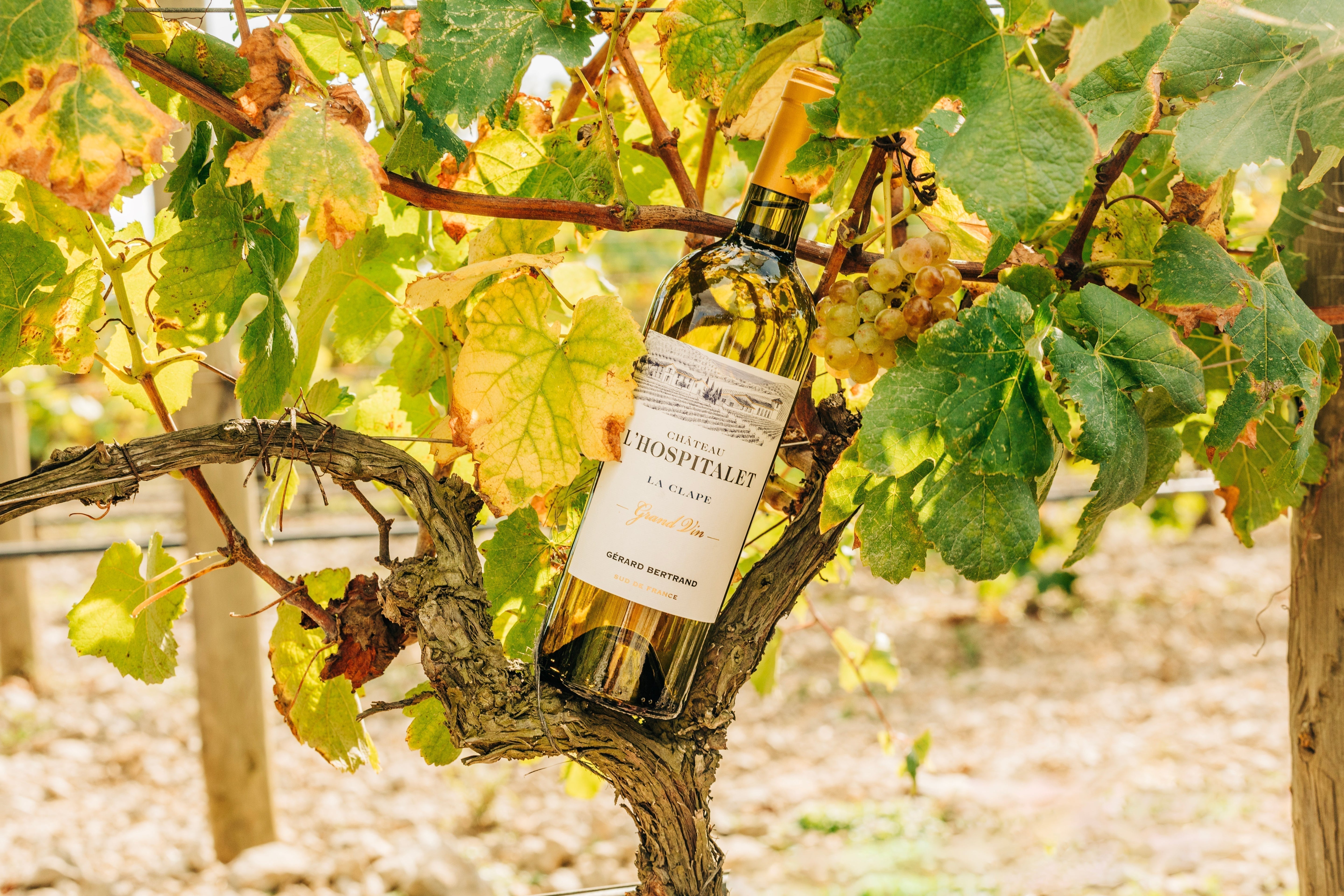
Château l'Hospitalet Grand Vin
Discover a Grand Vin White shaped by the sea, altitude and the minerality of La Clape.
Read the article
Win 2 VIP Tickets for Jon Bon Jovi — Hampton Water Competition
From 30 June to 15 August 2026, try to win 2 VIP tickets to the Jon Bon Jovi concert on 28 August in Edinburgh.
Read the article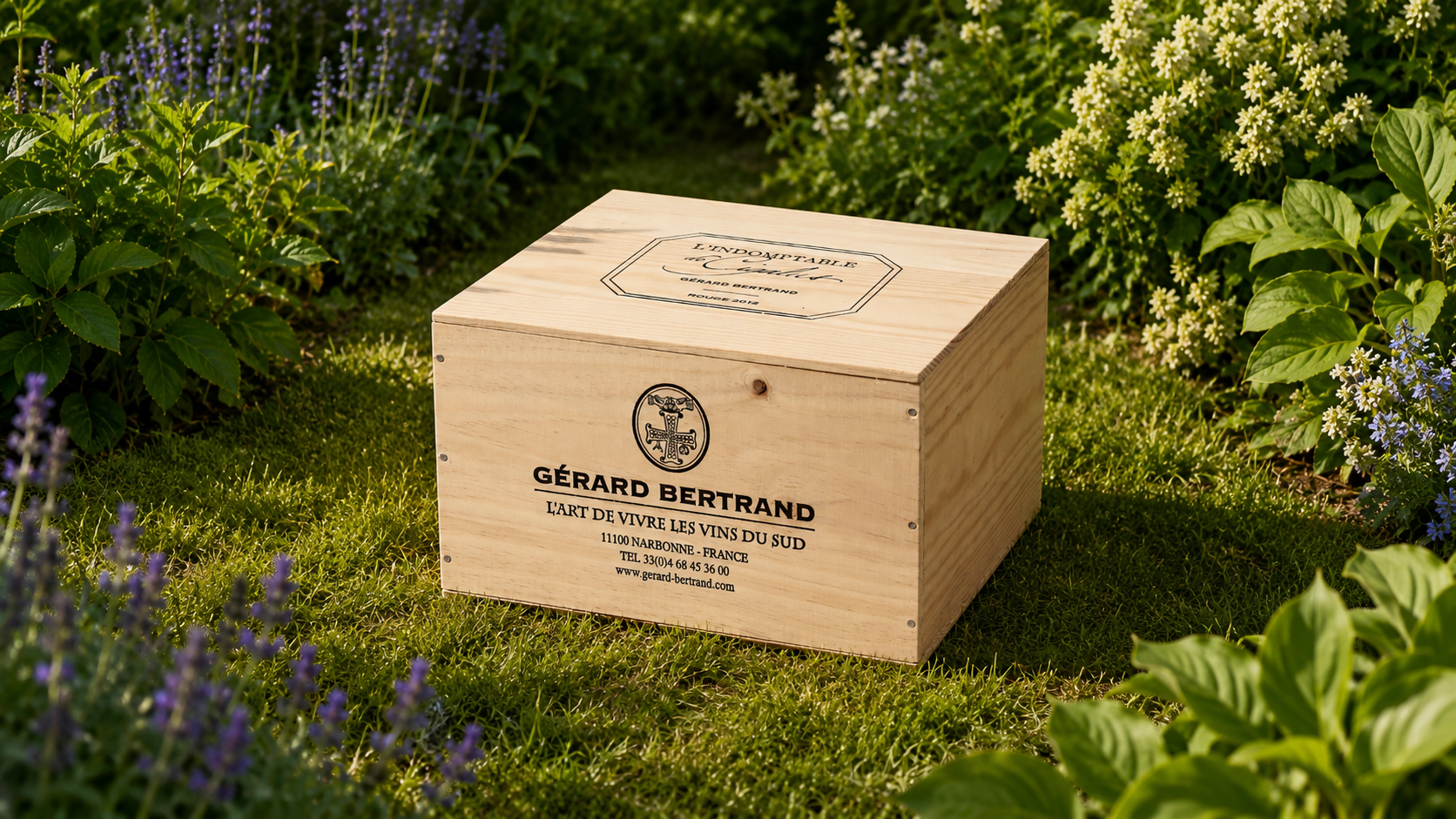
A Second Life for Our Wooden Crates
A fine example of reuse: in Germany, our wooden crates are finding a second life with an association committed to protecting bats.
Read the article