
The Bertrand family
Languedoc organic wine by Gérard Bertrand
Discovering an organic wine that respects the environment

Combining the production of excellent organic wines with respect for nature is a strong commitment on the part of Gérard Bertrand. This man of values and true ambassador for environmental protection is today the world leader in organic wines.
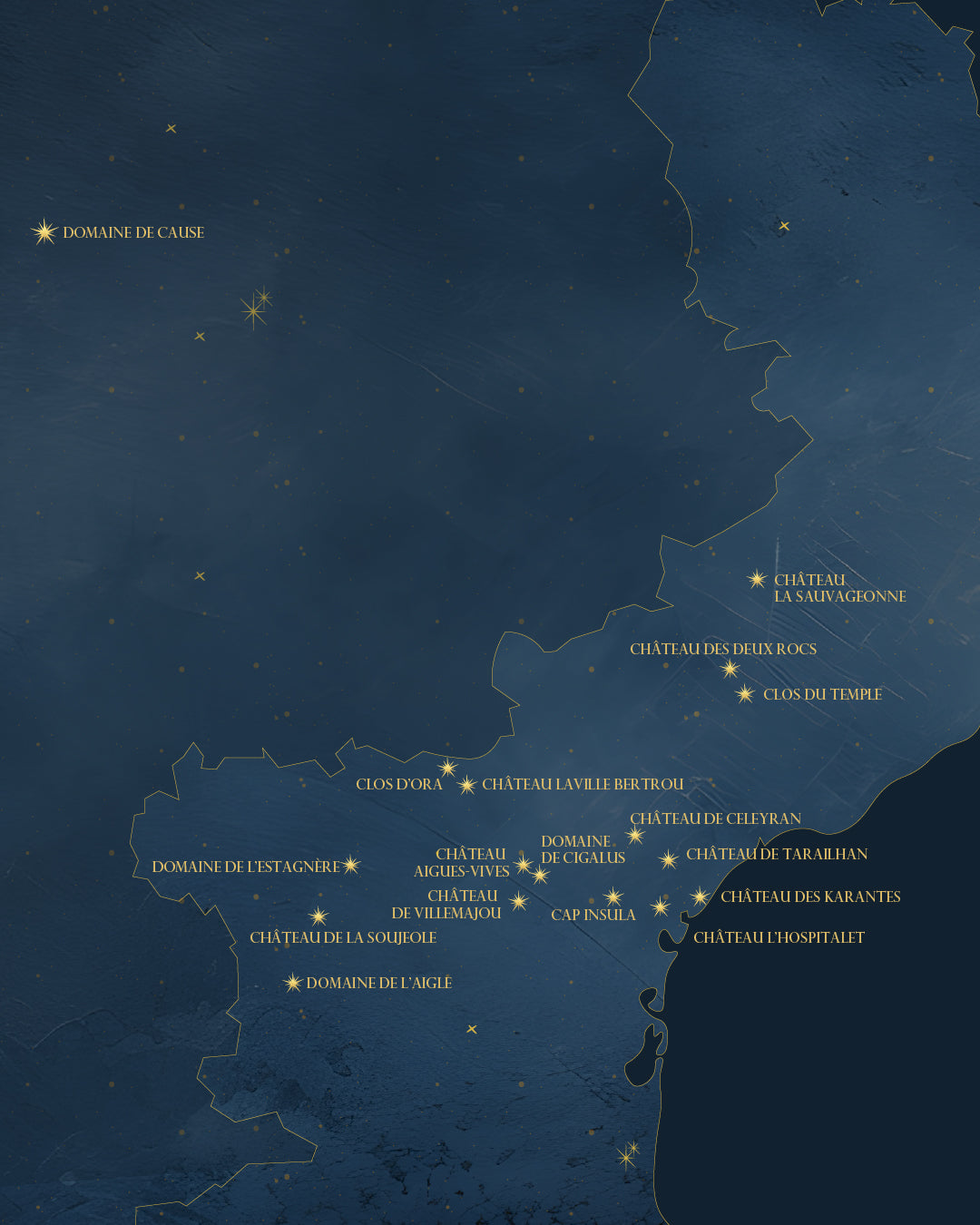
Over the years, Gérard Bertrand has taken over 14 estates spread across the entire Languedoc-Roussillon region and has supported them in their transition towards a cleaner production method. Today, the bet has paid off: all vine plots are at minimum AB-labelled, and the wines brilliantly express the terroir from which they originate.
What is an organic wine?

An organic wine is a wine produced according to the principles of organic farming, meaning farming without herbicides, without GMOs and without chemical fertilisers. This requires the winemaker to apply these principles throughout the entire wine production process, from growing the vines (viticulture) to transforming the grapes into wine (vinification). An organic wine is made from grapes that are themselves certified organic, as well as all the additions (inputs) necessary for the proper transformation of the grapes into wine (yeasts, fining agents, etc.).
A certified organic wine is thus produced from quality vines, following practices that respect the environment. Obtaining the organic "AB" label requires compliance with a strict set of specifications established by the European Union (Regulation No. 203/2012). More recently, the CAB label (Conversion to Organic Farming) has appeared and makes it possible to identify wine growers in the Occitanie region who have undertaken the process of converting their vines to organic cultivation.
To ensure that organic producers comply with the required standards, independent bodies approved by the INAO (Institut national de l'origine et de la qualité) are responsible for certifying and monitoring compliance with the Label's specifications. Among these independent bodies, we can mention, for example, for organic wines from Languedoc: Ecocert, Certisud, Qualisud, Alpes Contrôles, etc.
However, to obtain a quality wine, growing vines without chemicals is not enough on its own. Without human expertise, grape juice would inevitably turn into vinegar.
It is therefore up to the winemaker, and the oenologist, to play a predominant role in the crafting of an organic wine.
Discover the full range and collection of organic wines from Gérard Bertrand.
What are the advantages of an organic wine?

As we have just seen, producing an organic wine means being more environmentally friendly and more in tune with nature, which is why Gérard Bertrand today owns more than 950 hectares of vines labelled AB or undergoing conversion.
But what are the advantages of a wine from organic farming? And what are the differences compared to a traditional wine?
The main advantage of a quality organic wine, just like a biodynamic wine, is that it expresses the full potential of the fruit. The grape, being respected throughout its development, delivers all its flavours. A AB-certified vine plot guarantees the presence of a vine that has received consistent and balanced management, with the patience of a cultivation approach that follows the plant's natural rhythm, rather than pursuing productivity at all costs. With an organic wine, the development of the grape itself is just as important as the work carried out by the winemaker in the cellar. But let us come to the most important point — that of taste!
It is generally observed that organic wines, when of quality, as is the case with Gérard Bertrand Languedoc wines, deliver finer and more delicate flavours than a traditional wine. The balance of flavours is thus remarkable, with very prominent floral notes. One of the reasons for this balance is that such a wine is built less on alcohol than a traditional wine.
Another typical gustatory characteristic of organic wines from Languedoc is their exceptional minerality. This is notably what can be observed in wines produced at the Gérard Bertrand estates, such as at Château de l'Hospitalet, an exceptional property located in the heart of the Clape massif, a prime limestone terroir.
The explanation for this is that an untreated grape concentrates significantly more trace elements and minerals. It is this that allows, when tasting the wine, one to find that mineral, fresh, almost saline flavour, particularly in white wines. An organic wine, as we have seen, is a wine crafted by staying closer to the essential, to its fruit and its terroir. These flavours are subtle, balanced, and reveal its history.
If we were to summarise, we could say that an organic wine does not lie — it simply expresses what it is.
And what about biodynamics?
We are convinced that biodynamic farming in harmony with nature is the best path to producing wines of excellence from our terroirs in the South of France. That is why we began the conversion of our estates to biodynamic farming at Domaine de Cigalus in 2002, and by 2023 all of our vineyards will be DEMETER certified.
Find out more about biodynamic wine in Languedoc.
Discover other types of wine:
How rosé wine is made : how is it crafted?
And to find out more about:
The Gérard Bertrand wines and his expertise
The Châteaux and Estates of Gérard Bertrand
Or to contact us
Our latest news
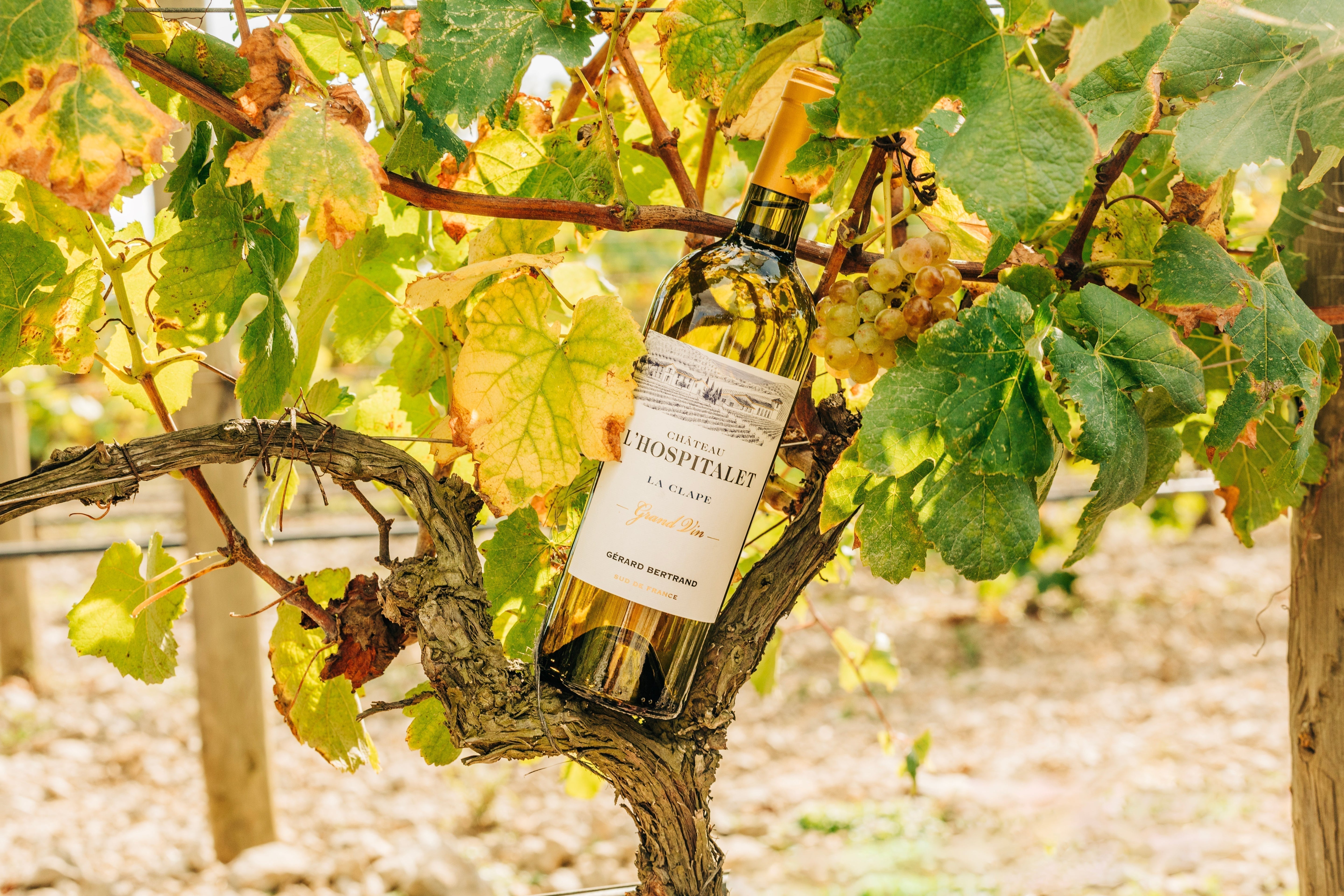
Château l'Hospitalet Grand Vin
Discover a Grand Vin White shaped by the sea, altitude and the minerality of La Clape.
Read the article
Win 2 VIP Tickets for Jon Bon Jovi — Hampton Water Competition
From 30 June to 15 August 2026, try to win 2 VIP tickets to the Jon Bon Jovi concert on 28 August in Edinburgh.
Read the article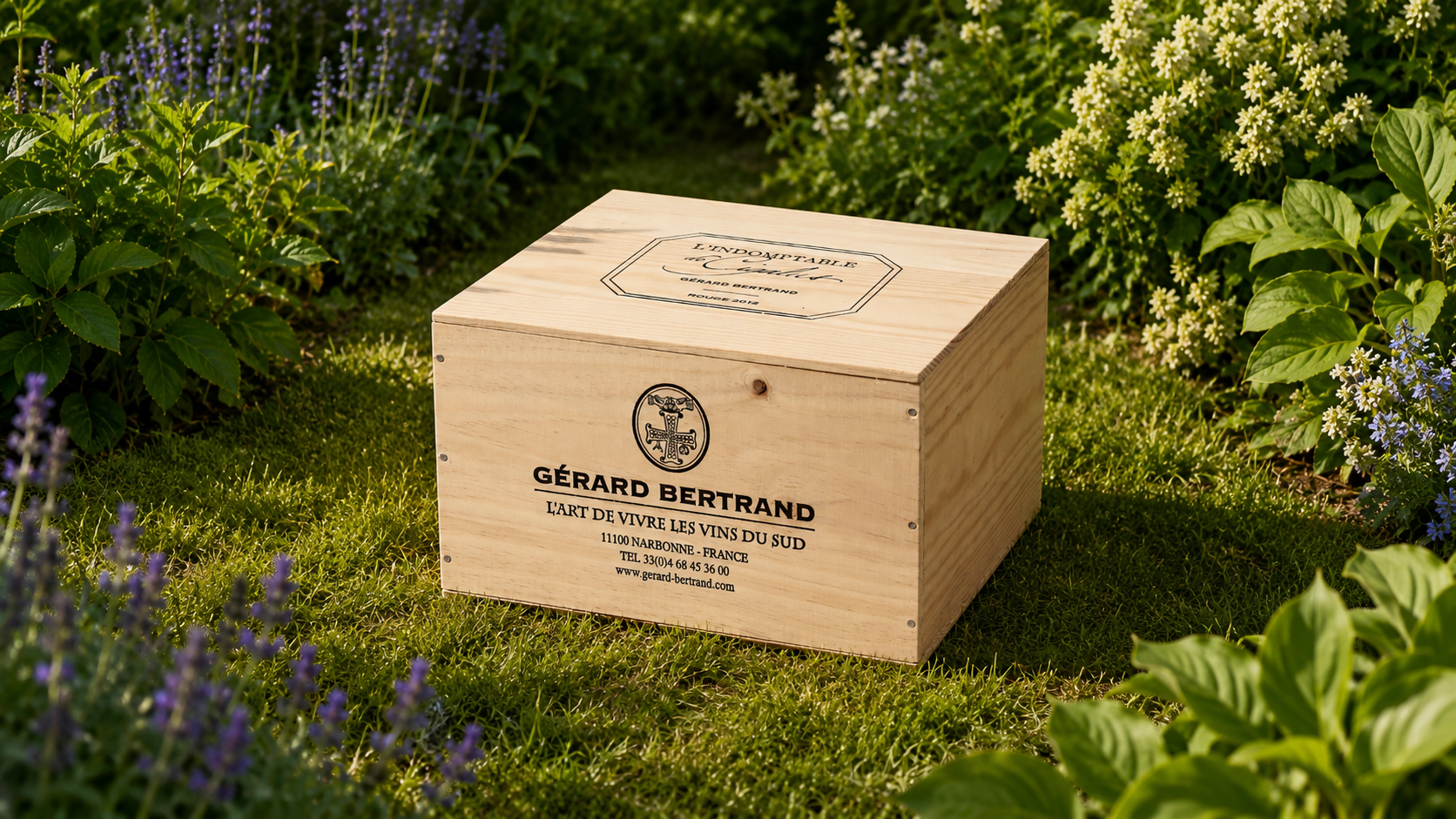
A Second Life for Our Wooden Crates
A fine example of reuse: in Germany, our wooden crates are finding a second life with an association committed to protecting bats.
Read the article